
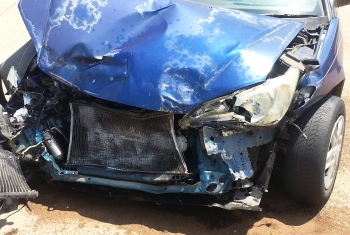
A crash can leave a vehicle with visible body damage and possible hidden issues that need careful attention. Dents, cracked bumpers, broken lights, scratched paint, and misaligned panels may be easy to see, but deeper concerns can also exist behind the damaged areas. A professional Crash repair centre Epping supports drivers by inspecting, repairing, and restoring vehicles after impact with a structured approach.
Why Crash Repairs Need Proper Assessment
After a collision, it is easy to focus only on the most obvious damage. However, impact can travel through the vehicle and affect brackets, mounts, alignment points, and nearby panels. A bumper may look only lightly damaged while the support behind it has shifted or cracked.
A detailed assessment helps identify the real condition of the vehicle. This stage is essential before deciding whether the repair requires cosmetic correction, panel replacement, paint refinishing, or structural work.
Common Types of Crash Damage
Crash damage can vary widely depending on the speed, angle, and location of impact. Front end collisions may affect bonnets, wings, headlights, grilles, bumpers, and cooling components. Rear impacts can damage boot panels, rear bumpers, lights, and alignment points. Side impacts may affect doors, sills, quarter panels, and mirrors.
Even low speed incidents can leave scuffs, dents, cracked paint, and panel movement. These issues should be checked properly before the vehicle is returned to regular use.
Visible and Hidden Damage
Not all crash damage is visible from outside the vehicle. Bumper covers, plastic trims, and exterior panels can hide broken clips, bent supports, or damaged mounting points. A panel may also appear mostly intact while surrounding sections have moved slightly out of position.
Hidden damage matters because it can affect how the vehicle fits together and performs. If missed, it may cause future noises, uneven panel gaps, water entry, or further wear.
Structural Alignment and Safety
Structural alignment plays an important role in crash repair. Vehicles are built with panels, frames, and reinforcement points designed to work together. When impact changes alignment, the vehicle may not behave as intended.
Restoring alignment requires accurate measurement and careful correction. This helps panels sit properly, supports road safety, and maintains predictable vehicle behaviour. Structural issues should never be ignored simply because the vehicle still drives.
Panel Repair and Replacement
Once inspection is complete, damaged panels can be repaired or replaced depending on condition. Some dents can be reshaped and refinished, while panels with deeper damage may need replacement. The correct choice depends on safety, durability, cost, and final appearance.
Panel fitment is important. Doors, bonnets, wings, and bumpers should align evenly with surrounding sections. Poor fitment can make repairs obvious and may affect everyday usability.
Bumper and Plastic Repairs
Bumpers often absorb the first impact in a crash. Damage may include cracks, scuffs, splits, broken clips, and distorted mounting points. Some bumper damage can be repaired, while severe damage may require replacement.
Plastic components need suitable repair products and correct preparation. They respond differently from metal panels, so the repair method must match the material.
Paintwork Restoration
Paintwork is usually affected during crash repairs. Scratches, chipped paint, and refinished panels require careful preparation. Damaged surfaces must be cleaned, sanded, smoothed, and primed before paint is applied.
Colour matching is also essential. A repaired section should blend naturally with the rest of the vehicle. Since original paint can change slightly with age and exposure, refinishing requires attention and adjustment rather than relying on paint code alone.
Surface Preparation Before Refinishing
Preparation has a major impact on the final paint result. If damaged areas are not prepared correctly, the finish may show rough texture, uneven colour, or poor adhesion. Sanding, filling, priming, and smoothing all help create the correct base.
A rushed preparation stage can reduce durability. Careful preparation supports a cleaner finish and helps repaired panels look more consistent over time.
Mechanical Checks After a Crash
Crash damage may affect more than the bodywork. Depending on the impact, suspension, wheels, steering, brakes, lights, sensors, and cooling systems may need inspection. If a car pulls to one side, vibrates, leaks fluid, or shows dashboard warnings after a crash, mechanical checks are especially important.
A complete repair approach considers both appearance and function. Restoring the outside of the vehicle is not enough if related systems remain affected.
Insurance Repair Considerations
Crash repairs may involve insurance companies, claim references, photographs, estimates, and approval stages. Clear documentation helps keep the repair process organised and reduces confusion between parties.
Accurate reports and repair plans also ensure the required work is properly understood. This is especially useful when several damaged areas need attention.
Controlled Workshop Conditions
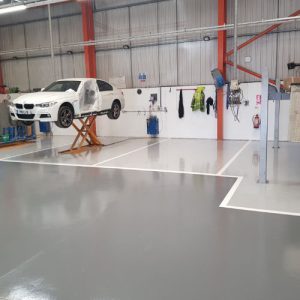
Professional crash repairs benefit from suitable workshop conditions. Good lighting helps identify panel defects, while controlled airflow and temperature support paint application. Dust and poor environmental control can affect the final surface.
A controlled environment also allows technicians to inspect repairs carefully before the vehicle is completed. This supports more consistent workmanship and better finish quality.
Skilled Workmanship and Equipment
Modern repair equipment helps with measuring, lifting, reshaping, sanding, and refinishing. However, skilled workmanship remains just as important. Technicians must understand how damage travels through a vehicle and how each repair stage affects the final result.
Experience helps decide whether repair or replacement is suitable, how to align panels correctly, and how to achieve a clean paint finish.
Preventing Further Damage
Leaving crash damage untreated can lead to additional problems. Exposed metal may corrode, loose panels may worsen with vibration, and cracked paint can allow moisture underneath. Misaligned panels can also rub against surrounding areas and cause further wear.
Prompt repair helps protect the vehicle from these issues. It also keeps the car safer and more presentable for everyday use.
Maintaining Vehicle Value
Crash damage can reduce vehicle value, especially when repairs are poor or incomplete. Visible paint mismatch, uneven gaps, rough surfaces, and unresolved damage can make buyers cautious. A well repaired vehicle gives a stronger impression and supports long term value.
Good repairs should restore confidence in the vehicle rather than draw attention to previous damage.
Final Checks Before Completion
Before a repaired vehicle is returned, final checks are important. These may include reviewing panel gaps, paint finish, lights, trims, bumper fitment, and any related mechanical concerns. Small finishing issues can often be corrected before completion if they are identified during inspection.
Final quality checks help confirm that repairs are consistent, safe, and presentable.
Choosing a Sensible Repair Route
Every crash is different, so repair decisions should be based on inspection findings. Some vehicles may only need cosmetic attention, while others require panel replacement, structural correction, paintwork, and mechanical checks.
A sensible repair route avoids unnecessary work while making sure important damage is not missed. This balance supports a better repair outcome.
Repair Planning and Communication
Clear planning makes crash repair easier to manage. A repair plan can outline visible damage, hidden concerns, parts required, paintwork needs, and expected repair stages. This helps vehicle owners understand what is involved before work begins.
Good communication also supports smoother scheduling. When parts, repair steps, and refinishing requirements are explained properly, the process becomes more predictable. This is particularly important where insurance approval or multiple repair stages are involved. A structured approach reduces delays and helps maintain quality control from initial assessment through to final inspection.
Why Local Repair Access Helps
Using a local crash repair facility can make inspections, estimates, drop offs, and follow up visits more convenient. It also allows drivers to deal with repair questions more easily during the process. For vehicles that need several stages of work, local access can reduce disruption.
A Crash repair centre Epping can therefore be a practical choice for drivers seeking structured repair support close to the area.
Conclusion
Crash repair is a detailed process that involves more than removing visible damage. Proper work requires inspection, hidden damage checks, structural alignment, panel repair, paint restoration, mechanical awareness, and final quality control. Each stage contributes to the vehicle’s safety, appearance, and long term condition. Addressing crash damage early can help prevent corrosion, further wear, and reduced resale value. A careful repair process helps restore confidence in the vehicle and supports safer, more dependable everyday driving after an accident.



+ There are no comments
Add yours