
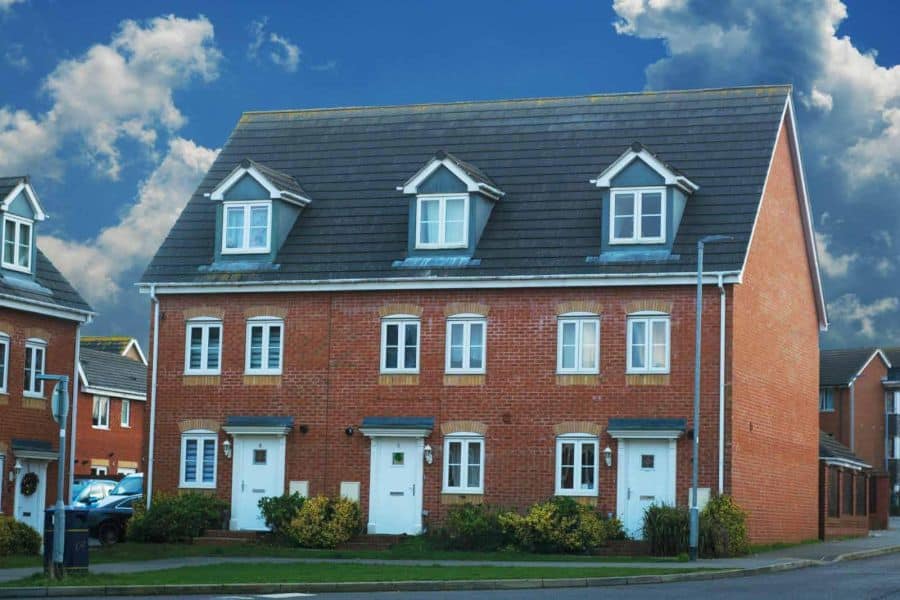
Buying a home involves significant financial commitments, making it essential to understand the property’s condition before proceeding. Although viewings provide an opportunity to assess layout, location, and appearance, they rarely reveal every concern that could affect future ownership.
For residential purchasers, Homebuyers RICS Surveys in Harpenden provide valuable information about visible property defects, maintenance requirements, and potential issues that deserve further investigation. An independent survey helps buyers make informed decisions before exchanging contracts.
Understanding the property’s condition can also support financial planning, particularly when buyers must consider mortgage payments, moving expenses, and future maintenance costs.
Understanding the Purpose of a RICS Home Survey
A RICS Home Survey examines the accessible and visible parts of a residential property to identify concerns that may affect its condition or maintenance.
Surveyors assess relevant building elements and explain their findings through a structured report. Depending on the survey level, this may include observations concerning roof coverings, walls, windows, doors, ceilings, floors, ventilation, and signs of dampness.
The report helps purchasers understand existing concerns and identify areas where additional investigation may be appropriate.
A home survey is separate from a mortgage valuation. While a lender’s valuation primarily supports its lending decision, a residential survey focuses on providing property condition information for the buyer.
Choosing Between Level 2 and Level 3 Surveys
Different properties require different levels of assessment. Selecting the appropriate survey depends on the property’s age, construction, condition, and complexity.
RICS Home Survey Level 2
A Level 2 survey is generally suitable for conventional residential properties constructed using common materials and appearing to be in reasonable condition.
The report identifies visible defects and highlights matters that could require maintenance or further attention.
This option is frequently considered for conventional houses, flats, and bungalows where a more extensive assessment may not be necessary.
RICS Home Survey Level 3
A Level 3 survey provides a more detailed assessment and is generally suitable for older, altered, unusual, or visibly deteriorated properties.
It offers additional explanation concerning defects, possible causes, and maintenance implications.
Buyers considering properties with significant alterations or visible condition concerns may find this additional reporting particularly useful.
Understanding Residential Properties in Harpenden
Harpenden contains a mixture of residential property types, including traditional family houses, period properties, detached homes, flats, and newer developments.
These buildings may present different maintenance considerations depending on their age, construction methods, and previous upkeep.
Older properties can sometimes display deterioration associated with ageing roofing materials, brickwork, windows, or ventilation arrangements.
Newer properties may also require attention, particularly where maintenance has been overlooked or visible defects have developed.
An individual property assessment helps buyers understand these characteristics instead of assuming that age or appearance alone determines condition.
Common Property Concerns Identified During Surveys
Residential surveys can identify a range of visible concerns that might otherwise go unnoticed during an ordinary viewing.
Common observations include:
- Roof coverings showing wear or deterioration
- Damp indicators affecting walls or ceilings
- Cracking around internal or external surfaces
- Windows and doors requiring maintenance
- Inadequate ventilation in certain rooms
- Signs of deterioration to external brickwork
- General maintenance concerns affecting building elements
Not every observation indicates a serious problem. Some matters reflect ordinary ageing and maintenance requirements.
The importance of a professional report lies in helping buyers distinguish between routine upkeep and issues that may justify further investigation.
How Surveys Support Financial Planning
Purchasing a home usually involves more than the agreed purchase price. Legal fees, mortgage arrangements, removal expenses, insurance, and furnishing costs can all influence the buyer’s available budget.
Unexpected property repairs can create additional financial pressure after completion.
A residential survey provides information that may help purchasers anticipate maintenance needs before becoming responsible for the property.
Where significant concerns are identified, buyers may decide to obtain repair estimates or additional specialist assessments before proceeding.
This approach supports realistic budgeting and reduces the likelihood of encountering completely unexpected maintenance responsibilities immediately after moving in.
Can Survey Findings Influence Property Negotiations?
Survey findings can sometimes influence discussions between buyers and sellers.
When a report identifies defects requiring potentially significant expenditure, purchasers may wish to obtain further information before continuing.
Depending on the circumstances, buyers might request clarification, seek repair estimates, or reconsider whether the agreed purchase price remains appropriate.
However, not every defect justifies a price reduction. Routine maintenance, minor deterioration, and expected ageing are common characteristics of residential properties.
The purpose of the survey is to provide objective information that helps buyers assess their position.
Why First Time Buyers Benefit From Home Surveys
First time buyers may have limited experience evaluating residential buildings.
During viewings, attention is often directed towards room sizes, decoration, storage, gardens, and nearby amenities.
Potential condition concerns can receive less attention, particularly when buyers are unfamiliar with the signs associated with dampness, roofing deterioration, or building movement.
A RICS Home Survey offers a structured explanation of observed conditions and helps purchasers understand their implications.
This additional information can improve confidence and allow first time buyers to approach homeownership with more realistic expectations.
Understanding the Limitations of a Home Survey
Although a home survey provides valuable information, it cannot guarantee that a property is free from defects.
Surveys are generally non-invasive inspections. Surveyors do not ordinarily remove fixed flooring, open walls, or dismantle building components to examine concealed areas.
Certain spaces may also be inaccessible during an inspection.
Where visible evidence raises concern about hidden defects, a survey report may recommend additional investigation.
Understanding these limitations ensures that buyers interpret the findings appropriately and recognise when further information could be necessary.
When Should a Home Survey Be Arranged?
In England, buyers generally arrange their residential survey after an offer has been accepted but before exchanging contracts.
This allows time to consider the findings while there is still an opportunity to raise questions or reconsider the purchase.
Arranging the inspection sufficiently early may also prevent unnecessary pressure if the report identifies matters requiring further investigation.
Buyers should allow time to read the findings carefully and understand the recommendations before making a legally binding commitment.
How a Survey Supports Future Property Maintenance
The benefits of a residential survey extend beyond the purchase itself.
Once the transaction is completed, homeowners can refer to the report when preparing maintenance plans.
Observations concerning roof coverings, external walls, windows, ventilation, and other building elements may help identify priorities.
Some issues may require early attention, while others can be monitored or addressed through routine maintenance.
Having this information available can encourage a more organised approach to property ownership.
The Importance of Clear and Understandable Reporting
A survey report should provide information that residential buyers can interpret without extensive technical knowledge.
Clear descriptions of visible defects, their potential implications, and recommended actions help purchasers understand the condition of the property.
A useful report should also explain where further investigation may be necessary rather than presenting uncertain observations as established facts.
Effective communication is particularly important when buyers are unfamiliar with building terminology.
Understanding what the report says allows purchasers to make decisions based on evidence rather than confusion or unnecessary concern.
Considering the Property’s Long Term Suitability
A residential property should be evaluated in relation to the buyer’s future requirements.
Someone purchasing a long term family home may place considerable importance on future maintenance responsibilities, while a purchaser planning a shorter period of ownership may have different priorities.
Survey findings can inform these considerations by identifying visible defects and highlighting potential maintenance obligations.
Understanding these responsibilities before completion allows buyers to consider whether the property remains suitable for their circumstances.
Why Independent Property Information Matters
Property listings and sales particulars are designed to communicate a home’s features and appeal.
Although these materials are useful, they should not replace independent information about the building’s physical condition.
A residential survey provides a separate assessment focused on observable property characteristics rather than marketing presentation.
This independent perspective can help buyers approach the transaction with greater confidence and a clearer understanding of potential risks.
Making Informed Decisions Before Exchange
For purchasers considering Homebuyers RICS Surveys in Harpenden, selecting an appropriate survey level is an important part of responsible property buying.
Both Level 2 and Level 3 reports provide valuable information, although the depth of inspection and reporting differs according to the chosen service.
The appropriate option depends on the property’s characteristics and the buyer’s need for information.
Final Thoughts
A home purchase involves financial responsibilities that continue long after the transaction is completed.
Understanding property condition before exchange helps buyers anticipate maintenance requirements, evaluate visible defects, and make decisions with realistic expectations.
Professional residential surveys provide a structured assessment of accessible building elements and identify matters that may require further attention.
While no survey can eliminate every uncertainty, obtaining independent information before purchase can reduce avoidable risks and support a more confident transition into homeownership.
For residential buyers, the value of a survey lies not simply in receiving a report, but in understanding the property and its potential responsibilities before making a lasting financial commitment.


+ There are no comments
Add yours