
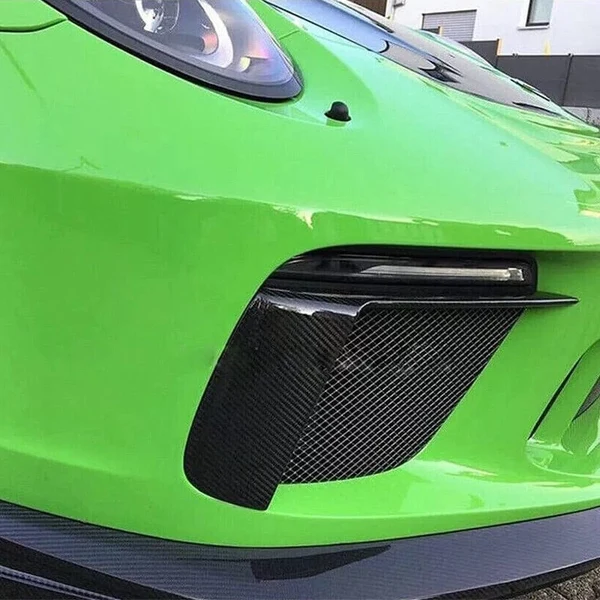
Porsche vehicles are engineered around performance, responsive handling, and an engaging connection between the driver and the road. Even with strong factory performance, some owners want sharper throttle response, stronger acceleration, or characteristics better suited to their driving preferences. Professional Porsche Tunning Welwyn Garden City can involve carefully considered software and supporting modifications designed to optimise how the vehicle delivers its existing potential while respecting mechanical limits.
Performance tuning should never be approached as simply increasing a power figure. Engine condition, transmission capability, cooling performance, braking, tyres, and intended vehicle use all influence what constitutes an appropriate setup. A properly planned approach considers the complete vehicle before changes are made.
Understanding Porsche Performance Tuning
Modern Porsche engines are controlled by sophisticated electronic management systems. The engine control unit continuously adjusts important parameters according to operating conditions and information received from numerous sensors.
Depending on the vehicle, tuning can involve adjustments relating to:
- Throttle response
- Torque delivery
- Turbocharger boost
- Fuel delivery
- Ignition settings
- Power characteristics
- Transmission behaviour
The objective should be balanced performance that remains predictable during everyday driving rather than an aggressive setup designed purely around maximum output.
Why Owners Consider Tuning
Different drivers pursue performance modifications for different reasons. Some want improved acceleration, while others prefer stronger response during motorway driving or more immediate power delivery from lower engine speeds.
A well considered setup may provide improvements in:
- Throttle response
- Mid range performance
- Acceleration
- Torque delivery
- Driving engagement
- Gearbox response
The results depend heavily on the Porsche model, engine configuration, existing software, vehicle condition, and modifications already installed.
ECU Remapping Explained
ECU remapping is one of the most recognised methods of modern performance tuning. The ECU contains software controlling numerous engine functions. Adjusting selected parameters can alter how the engine responds under different operating conditions.
Turbocharged engines can provide significant tuning opportunities because software plays an important role in managing boost and torque.
Naturally aspirated engines can also be optimised, although potential gains and objectives may differ considerably.
Any software changes should remain appropriate for the engine and supporting components rather than exceeding sensible operating limits.
Vehicle Condition Comes First
Before performance software is considered, the mechanical condition of the vehicle should be assessed. Increasing demands on an engine that already has an unresolved fault can worsen the problem.
Pre tuning checks may examine:
- Engine fault codes
- Oil condition
- Cooling system
- Intake system
- Ignition components
- Turbocharger operation
- Fuel delivery
- Battery voltage
- Transmission condition
Existing warning lights, misfires, fluid leaks, unusual noises, or temperature concerns should be investigated first.
Diagnostic Testing Before Tuning
Modern diagnostics provide valuable information about vehicle health. Stored fault codes can reveal previous or current problems, while live data can show how important systems operate in real time.
Technicians may monitor boost pressure, temperatures, fuel information, airflow, ignition behaviour, and other parameters relevant to the particular engine.
Diagnostics can also identify faults that have not yet created obvious driving symptoms. Finding these issues before tuning reduces the possibility of modifying a vehicle that requires maintenance first.
Turbocharged Porsche Models
Many modern Porsche vehicles use turbocharged engines. Turbocharging allows manufacturers to achieve substantial performance while maintaining manageable engine capacity and efficiency.
Software optimisation may adjust the relationship between boost pressure, fuelling, ignition, and torque management.
However, additional boost also increases demands on other components. Temperature control, fuel quality, lubrication, and turbocharger condition become particularly important when performance is increased.
Responsible tuning therefore considers sustainable operation rather than pursuing the highest possible figure.
Naturally Aspirated Engines
Older and selected performance focused Porsche models use naturally aspirated engines. Their tuning characteristics differ from turbocharged vehicles because there is no turbocharger boost pressure to increase through software.
Optimisation may instead focus on throttle characteristics, ignition parameters, airflow, and how power is delivered through the rev range.
Expectations should remain realistic because software alone may produce different results compared with turbocharged applications.
Transmission and Gearbox Considerations
Engine output is only one part of vehicle performance. The transmission must manage the torque being delivered while providing suitable shift behaviour.
Depending on the model, transmission optimisation can influence:
- Shift response
- Gear selection
- Torque management
- Launch behaviour
- Driving mode characteristics
Any engine modifications should remain compatible with gearbox limits. Excessive torque can place unnecessary stress on transmission components and reduce long term reliability.
Cooling and Temperature Management
Performance creates heat, making effective cooling particularly important. Engine coolant, oil temperatures, intercooling, and surrounding airflow all contribute to maintaining suitable operating conditions.
Before tuning, cooling components should be inspected for deterioration, leaks, or reduced effectiveness.
Drivers who regularly use additional performance may also need to pay closer attention to fluid condition and maintenance intervals because sustained demanding driving can increase thermal stress.
Braking and Tyre Condition
Additional engine performance should be considered alongside the vehicle’s ability to stop and maintain road contact.
Tyres should have suitable tread depth, correct pressures, and appropriate specifications. Worn tyres can reduce traction and prevent the driver from using additional performance safely.
Brake pads, discs, fluid, and associated components should also remain in good condition. A balanced performance vehicle requires dependable acceleration, handling, and braking rather than focusing on engine output alone.
Different Porsche Models Require Different Approaches
There is no universal tuning configuration suitable for every Porsche. Different models use different engines, transmissions, electronics, cooling arrangements, and drivetrain configurations.
Tuning considerations can vary across vehicles such as:
- Porsche 911
- Porsche Cayman
- Porsche Boxster
- Porsche Cayenne
- Porsche Macan
- Porsche Panamera
Even vehicles from the same model family may have substantial differences between generations and engine variants.
Vehicle specific assessment is therefore important before modifications are selected.
Performance for Everyday Driving
Not every tuned Porsche needs to be configured around extreme performance. Many owners simply want the vehicle to feel more responsive during normal driving.
For road use, smooth torque delivery can be more valuable than maximum peak output. Predictable throttle behaviour makes the vehicle easier to control, particularly in traffic or changing road conditions.
A balanced setup should retain comfortable low speed operation while providing stronger response when additional performance is requested.
Fuel Quality and Performance
Fuel quality can influence how a performance engine operates. Engine management systems use ignition and sensor information to adapt to operating conditions, but tuning may be developed around particular fuel requirements.
Using fuel that meets the appropriate specification helps the engine operate according to the intended calibration.
Owners should understand any fuel requirements associated with modified software rather than assuming all available grades will produce identical performance.
Maintenance After Performance Tuning
Tuning does not eliminate normal maintenance requirements. In some circumstances, closer attention to servicing can become even more important.
Owners should continue monitoring:
- Engine oil
- Coolant
- Spark plugs
- Filters
- Tyres
- Brakes
- Transmission condition
- Diagnostic information
Changes in engine sound, performance, temperature, or warning messages should be investigated promptly.
Consistent servicing helps maintain the condition required for reliable performance.
Avoiding Excessive Modifications
Maximum power is not necessarily the most suitable target for a road vehicle. Pushing components beyond sensible limits can increase heat, accelerate wear, and reduce reliability.
Performance modifications should consider how the car will actually be driven. A daily driven Macan may require a different approach from a weekend 911, even if both owners are interested in improved response.
Choosing modifications around real driving requirements produces a more usable result.
Insurance and Road Use Considerations
Vehicle modifications can affect insurance requirements. Owners should inform their insurer about relevant performance changes and confirm that appropriate cover remains in place.
Modifications should also remain compatible with applicable roadworthiness and emissions requirements. Changes that interfere with required emissions systems can create legal, reliability, and testing complications.
Responsible tuning aims to improve vehicle characteristics without compromising essential safety or compliance systems.
A Balanced Approach to Porsche Performance
Successful tuning depends on understanding the relationship between software, mechanical condition, transmission capability, cooling, braking, tyres, and maintenance. Improving one area while ignoring others can produce an unbalanced vehicle.
Professional Porsche Tunning Welwyn Garden City should begin with vehicle assessment and realistic objectives before any changes are introduced. When modifications respect the capabilities of the individual model and are supported by appropriate maintenance, tuning can provide sharper response, stronger usable performance, and a more engaging driving experience while preserving the characteristics that define a Porsche.




+ There are no comments
Add yours