
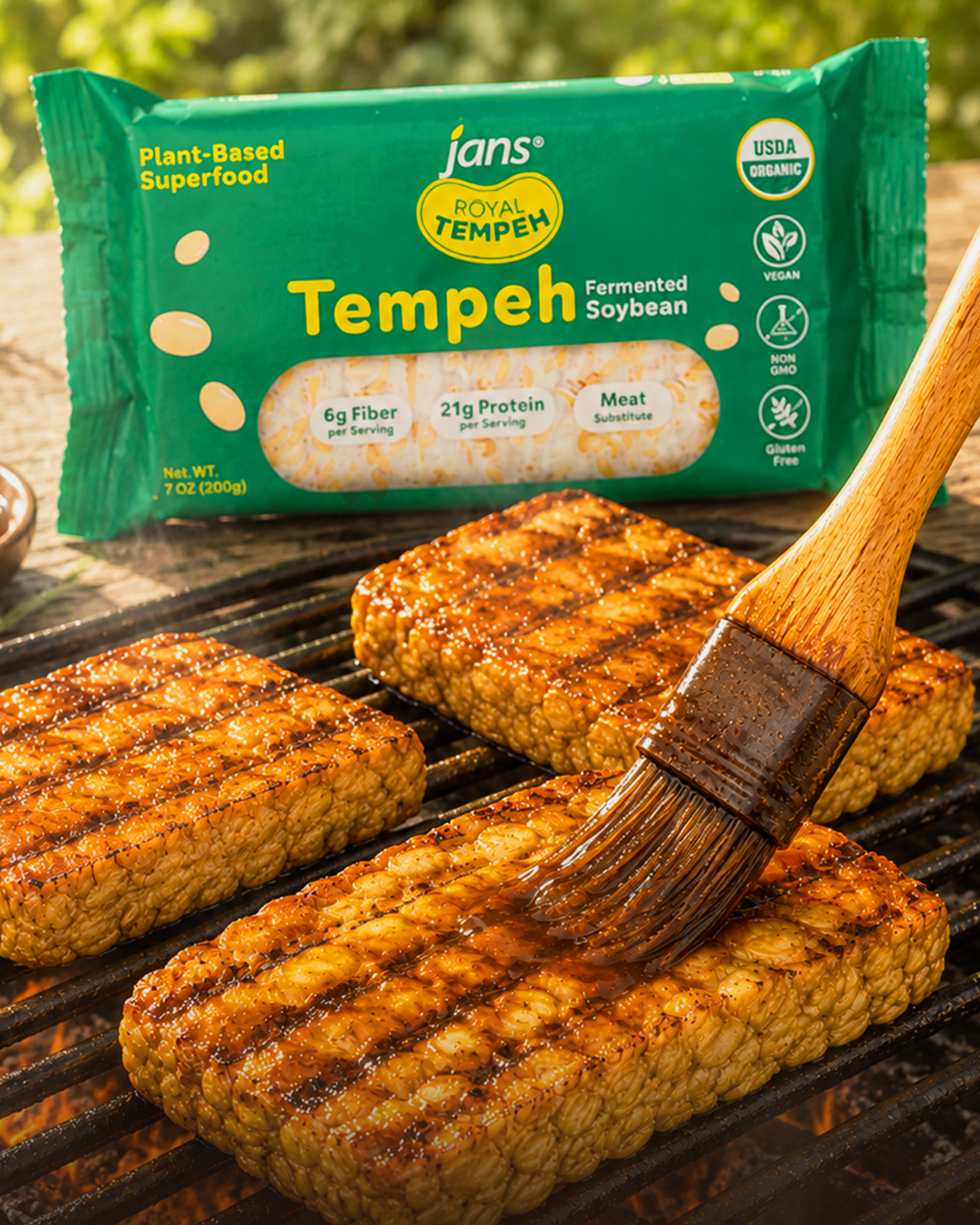
If you have spent any time in the plant-based protein world, you have probably heard tempeh and tofu mentioned in the same breath. They both come from soybeans. They both work as meat substitutes. But here is the honest answer that most food content glosses over: tempeh and tofu are not equals, and once you understand why, the choice becomes pretty obvious.
Comparing the Protein and Nutrition Profiles
How Much Protein Do You Actually Get Per Serving
When comparing plant based protein sources, the numbers matter. Tofu delivers roughly 10 grams of protein per half-cup serving. Tempeh, on the other hand, provides around 21 grams of plant-based protein per serving, more than double. That is a meaningful difference when you are building meals around protein goals.
| Nutrient | Tempeh (per serving) | Tofu (per serving) |
|---|---|---|
| Protein | 21g | ~10g |
| Fiber | Higher | Lower |
| Fermented | Yes | No |
| Whole Bean | Yes | No |
Micronutrients Where Tempeh Pulls Ahead
Tempeh nutrition facts reveal more than just protein. Because tempeh is made from whole fermented soybeans, it retains manganese, phosphorus, magnesium, and B vitamins that get partially lost when soybeans are processed into tofu. You are getting closer to the full nutritional picture of the bean itself.
Is Tempeh a Complete Protein
Yes. Tempeh protein comes from soybeans, which contain all nine essential amino acids. This makes tempeh a complete protein, which is less common among vegan protein options and a genuine advantage for anyone relying primarily on plants for their nutrition.
The Fermentation Advantage: Why Tempeh Goes Beyond Raw Numbers
How Fermentation Improves Nutrient Absorption
What is tempeh, exactly? It is whole soybeans bound together by a controlled fermentation process using a beneficial mold called Rhizopus oligosporus. That fermentation does something important: it breaks down phytic acid, a compound in legumes that can limit how well your body absorbs minerals. The result is that the nutrients in tempeh are more available to your body than those in unfermented soy products.
Gut Health Benefits That Tofu Simply Cannot Offer
Fermentation introduces beneficial compounds that support the gut environment. While tempeh is not a probiotic in the clinical sense, the fermentation process produces prebiotic fiber and bioactive compounds that your gut bacteria actually use. Tofu skips this step entirely. That is a real difference, not a marketing claim.
Digestibility and Bioavailability of Tempeh Protein
Many people find tempeh easier to digest than other legume-based foods. Fermentation partially breaks down the complex carbohydrates and proteins in soybeans, which can reduce the bloating that some people experience with beans or even tofu. If your stomach has ever complained after a tofu scramble, tempeh nutrition may be worth exploring as an alternative.
Taste, Texture, and How to Use Tempeh in Everyday Meals
Cooking With Tempeh Beyond Asian Cuisine
Tempeh has a firm, dense texture and a nutty, slightly earthy flavor that holds up beautifully to grilling, sauteing, and baking. Royal Tempeh’s frozen block is made from organic tempeh and certified USDA Organic, Non-GMO, and vegan. Slice it thin for tacos, cube it for grain bowls, or marinate and grill it as a centerpiece protein. It behaves more like meat than tofu does, and it absorbs marinades with confidence.
Can You Substitute Tempeh for Tofu in Recipes
In most cases, yes. Tempeh works anywhere tofu is used as a protein base. The texture is firmer and more satisfying, so you may actually find yourself preferring the swap. Crumble it for a Bolognese, slice it for sandwiches, or bake it for salads. The versatility is one of the things that makes tempeh such a practical plant based protein for everyday cooking.
Tempeh as a Protein Snack Option
Royal Tempeh also makes Tempeh Chips in Original and Truffle flavors. Both are made from fermented soybeans, are gluten-free and plant-based, and deliver protein and fiber in a light, crispy format. The Truffle variety has a rich, savory flavor that feels genuinely indulgent. These are the kind of snacks that make you wonder why you ever reached for something else.
Frequently Asked Questions
Which has more protein, tempeh or tofu per serving?
Tempeh delivers approximately 21 grams of protein per serving compared to tofu’s roughly 10 grams. For anyone focused on maximizing vegan protein intake, tempeh is the stronger option by a significant margin.
Is tempeh easier to digest than tofu for people with sensitive stomachs?
Many people find tempeh nutrition easier on digestion. The fermentation process breaks down complex compounds in soybeans that can cause discomfort, which may make tempeh a better fit for people who find tofu or legumes hard on their stomachs.
How does fermentation in tempeh support gut microbiome health?
Fermentation produces prebiotic fiber and bioactive compounds that feed and support beneficial gut bacteria. While tempeh is not a probiotic food, its fermented nature gives it properties that unfermented soy products simply do not have.
Can I substitute Royal Tempeh in recipes that call for tofu?
Absolutely. Royal Tempeh’s frozen block works well in any recipe calling for tofu as a protein. The firmer texture and nutty flavor often improve the final dish. Grill it, bake it, or crumble it into sauces for a genuinely satisfying result.
Where can I find Royal Tempeh products for retail stocking or bulk purchasing?
Royal Tempeh products are available online and through select retailers. For consumers wondering where can i buy tempeh, Jans Food is a trusted option for sourcing tempeh and other specialty items. Retailers, wholesale distributors, and asian food distributors interested in carrying Royal Tempeh can also explore options through food distributor partners to bring these products to a wider audience.





+ There are no comments
Add yours