
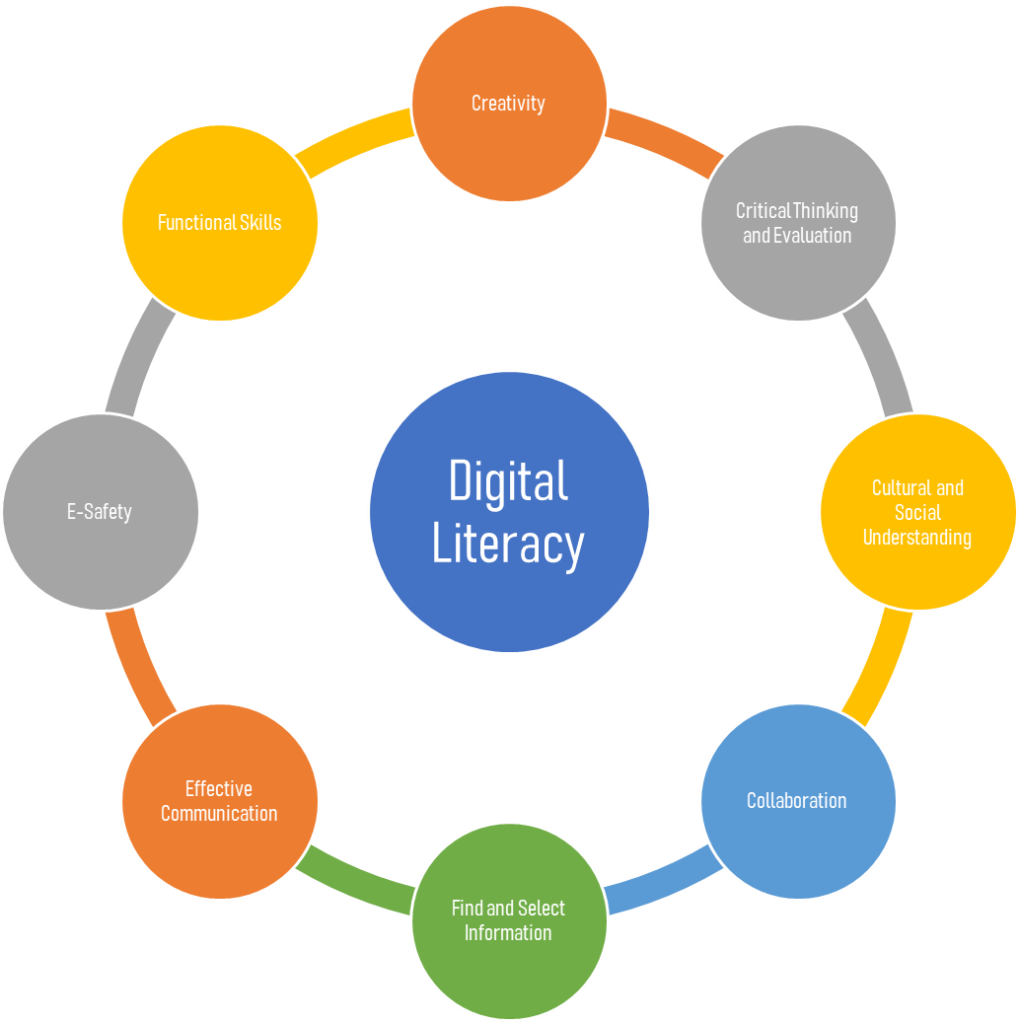
Digital literacy has quickly become one of the key competencies required of students at all ages. Going beyond being able to use a computer, digital literacy involves being able to interpret digital information critically, navigate online platforms efficiently, and use technology for problem-solving, creativity, and communication – essential skills as classrooms and workplace environments increasingly become digital environments. Students learn the value of effectively interpreting and analyzing online data, such as an Australia houses for sale listing, which greatly relies on this digital navigational skill.
Why Digital Literacy Is Essential Today
Almost every aspect of our daily life is impacted by technology; students, in particular, utilize digital tools on a regular basis for anything from online research to virtual classrooms. Students who possess sufficient digital literacy are better able to assess trustworthy sources, recognize false information, and communicate clearly, not to mention understanding their obligations regarding privacy and digital safety. As they age into professionals, their ability to use technology effectively becomes ever more essential, as academic achievement and future employment prospects depend heavily on competencies such as digital communication, data management, and cooperation online.
Digital And Practical Skills
Digital literacy not only enhances academic progress, but it also develops life skills that prepare students for obligations in the real world. Nowadays, many essential services can be found online such as house repair and renovation networks, such as local tradesmen portal. Individuals become better customers when able to evaluate alternatives, read reviews and communicate directly with service providers online – this equips people to make more effective and knowledgeable choices both personally and professionally with digital platforms being utilized sensibly and intelligently.
Develop Digital Skills To Promote Critical Thinking
Digital literacy’s primary benefit lies in its capacity to foster critical thinking. Students need to assess internet material critically, recognize biases and comprehend how algorithms influence what they see on screen – all necessary skills needed for successfully navigating complicated subjects and participating in knowledgeable conversations. Legal information databases like LawyerLocator emphasize the need to verify information for reliability before making legal judgments or consulting professionals; further supporting that responsible decision-making and digital literacy go hand-in-hand.
Digital Literacy As A Path To Innovation And Creativity
Digital resources allow students to express themselves artistically via interactive projects, writing, design, video production and collaboration. Students learn new methods of cooperation and shared thought when they become adept with various digital platforms; creativity builds confidence while improving problem-solving abilities – so much so that industries increasingly prefer professionals that combine creativity with technology expertise for meaningful work projects; digital literacy equips students to pursue creative career pathways and open doors into numerous sectors.
Encouragement Of Responsible And Safe Online Conduct
Teaching safety is integral to digital literacy education. Students need to know how to protect private data, identify questionable sites and observe online etiquette – skills increasingly becoming necessary as social media use surges – protecting themselves against identity theft, fraud and cyberbullying when following safe behaviors online is also crucial – helping pupils use digital technologies ethically and responsibly is the responsibility of parents and schools alike.
Digital Literacy Unifies Cultures And Communities
People now can interact worldwide more readily than ever through the internet world and share ideas and gain cultural knowledge more rapidly than ever before. Participation in culturally relevant online forums becomes easier when students possess digital literacy; even common sites, like an restaurant directory in Australia, demonstrate this capability allowing users to explore new locations while engaging with reviews for dining decisions that make good economic and gastronomic sense – thus underscoring its social benefit in helping us navigate online environments with confidence.
Conclusion
Digital literacy has become essential. As an indispensable ability that benefits education, individual development, and workforce readiness in the future. Learners rely on this ability for success in today’s society, from analyzing online materials and participating in communities online. By developing their digital literacy further each student may enter our expanding digital society with confidence, safety and creativity.







+ There are no comments
Add yours