
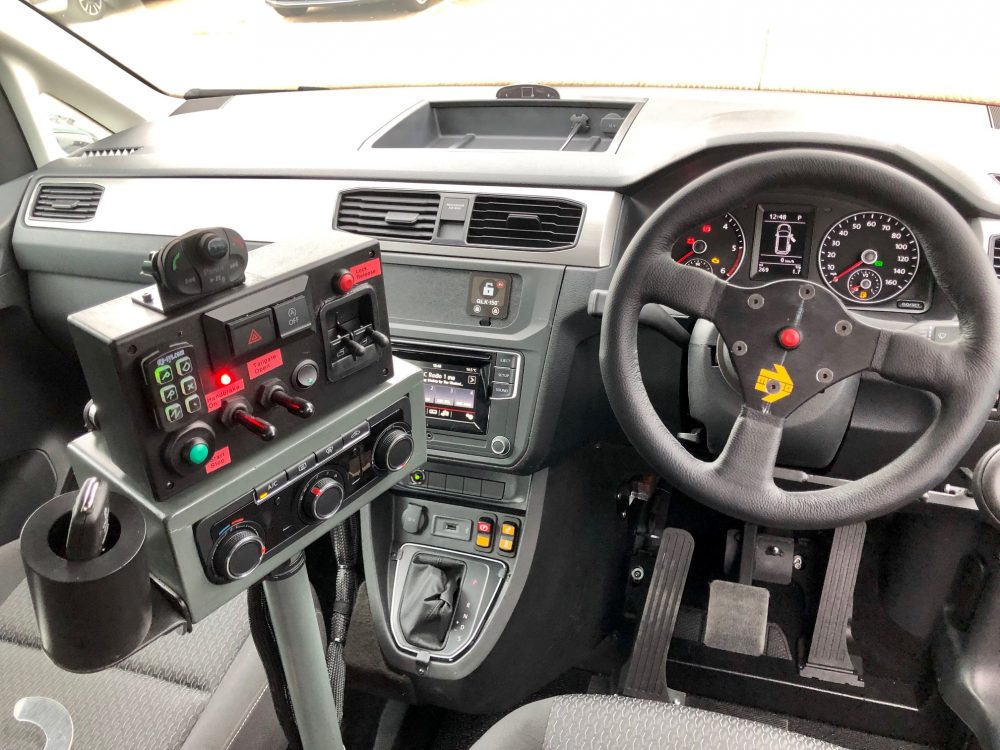
Modern vehicles, particularly premium models like Mercedes-Benz, are built upon a network of control modules, sensors, and electronic components. Each of these components communicates with the vehicle’s central architecture using encrypted signals and manufacturer-specific logic. When a part is replaced or retrofitted whether it’s a sensor, control unit, or infotainment module it must be correctly integrated into the system. This process is known as component coding & adaptations.
Failing to code or adapt a new component can lead to a variety of issues, from malfunctioning systems to dashboard errors or complete communication failures. As vehicles become more intelligent and electrified, the importance of accurate component integration continues to rise.
What Is Component Coding?
Component coding is the process of programming a new or replacement vehicle component to work with the existing control modules. Each vehicle control unit has its own software configuration, and coding ensures that new parts can communicate properly with the rest of the vehicle’s systems.
In high-end vehicles like Mercedes-Benz, coding is required not only for mechanical components but also for electronic ones such as:
- Transmission control units
- Airbag modules
- Steering angle sensors
- Fuel pumps
- Lighting modules
- Parking cameras and sensors
- HVAC control units
- Battery management systems
These components are not simply plug-and-play; they must be matched, coded, and sometimes updated to function as intended.
What Is Adaptation?
While coding configures the component to function in a basic way, adaptation fine-tunes the system to match the specific parameters of the vehicle and driving habits. This involves teaching the component how to behave within the car’s existing setup.
For example, when a throttle body or gearbox is replaced, adaptations help the system relearn idle positions, shift patterns, and torque delivery profiles. Similarly, battery replacements in hybrid or electric vehicles require adaptation to manage charge cycles and thermal profiles correctly.
Adaptation also applies to:
- Steering angle calibration after alignment
- Window position reset after regulator replacement
- Brake pressure sensor learning after system bleeding
- Cruise control calibration after retrofitting
- Suspension level learning in air suspension systems
These steps ensure the car behaves normally and consistently after repairs or upgrades.
Why Are Coding & Adaptations Critical?
In today’s vehicles, even simple components like headlights or tail lights come with integrated modules. These modules require configuration to activate features such as cornering lights, dynamic indicators, or DRLs. Without coding, these features may remain inactive or cause error messages.
Moreover, security features like immobilisers rely on coded communication between the key, ECU, and control modules. If any one of these is replaced and not coded correctly, the vehicle may not start.
Here are some common problems caused by skipped or improper coding:
- Airbag light remains on after crash sensor replacement
- Auto start-stop system fails to operate
- Warning lights triggered without actual faults
- Comfort features disabled after battery disconnection
- Inoperative driver assistance systems
By ensuring proper component coding & adaptations, technicians restore full vehicle functionality and preserve the integrity of interconnected systems.
Tools Used for Coding and Adaptation
Component integration in modern cars cannot be performed using basic scan tools. High-level diagnostic platforms are required, including:
- Xentry (Mercedes-Benz)
- ISTA/D (BMW)
- ODIS (Volkswagen Group)
- Autologic, Bosch KTS, and Snap-On tools with manufacturer access
- Online SCN (Software Calibration Number) coding access
- Vehicle Communication Interfaces (VCI) with pass-thru support
These tools allow technicians to connect to the vehicle’s onboard systems, identify existing module configurations, and write or adapt new data to the vehicle’s control units.
Additionally, secure gateways now protect newer vehicles from unauthorised access. Professionals must use registered accounts and secure login credentials to perform online coding and adaptations.
The Process of Component Coding
Each vehicle and component type has its own coding procedure, but a typical process includes:
- Initial Diagnosis: Scanning for fault codes and existing configurations.
- Component Installation: Installing the new or replacement module or part.
- Coding Access: Connecting to OEM systems or software platforms.
- Programming: Uploading the correct software and configuration data.
- Adaptation (if required): Calibrating the component to function as part of the system.
- Verification: Running system checks and confirming via test drive or simulation.
Technicians must also ensure software compatibility to avoid conflicts between outdated firmware and newer modules.
Coding Scenarios in Real-Life Repairs
Here are some scenarios where component coding & adaptations are absolutely necessary:
- Steering Rack Replacement: Requires coding to match with ESP and alignment sensors.
- Transmission Control Unit Replacement: Needs configuration to vehicle VIN and adaptation to shifting patterns.
- Airbag Control Unit Swap: Coding required for sensor input recognition and fault light reset.
- Infotainment System Upgrade: Activation of navigation, voice control, or camera functions through coding.
- AdBlue System Repair: NOx sensors and SCR pumps must be coded to reset dosage logic and fault counters.
- Hybrid Battery Replacement: New battery packs require coding to integrate BMS and energy flow logic.
These examples show that in vehicles with advanced electronics, repairs are not complete without digital configuration.
Safety and Compliance
Coding is not just about making systems functional it also ensures compliance with safety and emissions standards. For instance, installing a new sensor or control module without coding could cause the car to emit more pollutants or deactivate safety features like ABS or stability control.
As emission testing and MOT inspections grow more stringent, improperly coded components could cause vehicles to fail routine tests. Additionally, error lights triggered by coding failures may impact resale value and insurance claims.
Proper component coding & adaptations uphold both vehicle safety and regulatory compliance.
Retrofitting New Features
Adaptations aren’t limited to repairs they also play a role in customisation and retrofits. Owners who upgrade their vehicle with factory options like heated seats, cruise control, or parking sensors will need those features coded and activated.
Workshops with coding capabilities can unlock hidden features or enable region-specific settings, such as:
- Auto-folding mirrors
- Cornering fog lights
- Digital speed displays in MPH/KMH
- Acoustic lock confirmations
- Daytime Running Light (DRL) configurations
These customisations require access to control modules and deep familiarity with the vehicle’s electronic structure.
Common Challenges in Coding
Although coding is essential, it comes with its own set of challenges:
- Incompatible Modules: Aftermarket or used modules may not accept coding.
- Firmware Mismatch: New parts may need software updates before coding.
- VIN Lock: Some modules are locked to the original vehicle’s VIN and require special procedures.
- Online Access: Secure gateways block unauthorised tools or users.
- Error Loops: Improper coding can lead to repeated fault codes and vehicle malfunctions.
This is why it’s crucial that only trained technicians with the right tools perform this work.
The Future of Vehicle Coding
With vehicles moving towards full electrification and autonomy, coding will become even more important. Over-the-air (OTA) updates and software-based vehicle functions will dominate future models. Workshops will need cloud access and encrypted protocols to code and adapt even the simplest parts.
Electric vehicles in particular, with their complex battery, inverter, and thermal management systems, will continue to rely on meticulous coding to function reliably and efficiently.
Moreover, as more features are controlled by software rather than hardware, the line between repair and coding will blur making diagnostics and digital skills a key part of future automotive service.
Conclusion
Component replacement is only half the job. Without proper component coding & adaptations, new parts remain disconnected from the vehicle’s brain causing errors, limited functionality, or even system shutdowns.
In the evolving landscape of intelligent vehicles, coding ensures integration, safety, and customisation. It turns hardware into responsive, interconnected systems that support modern driving experiences.
By recognising the importance of this digital process, vehicle owners and repair professionals can ensure optimal performance, unlock new features, and preserve the long-term value of the car.





+ There are no comments
Add yours