
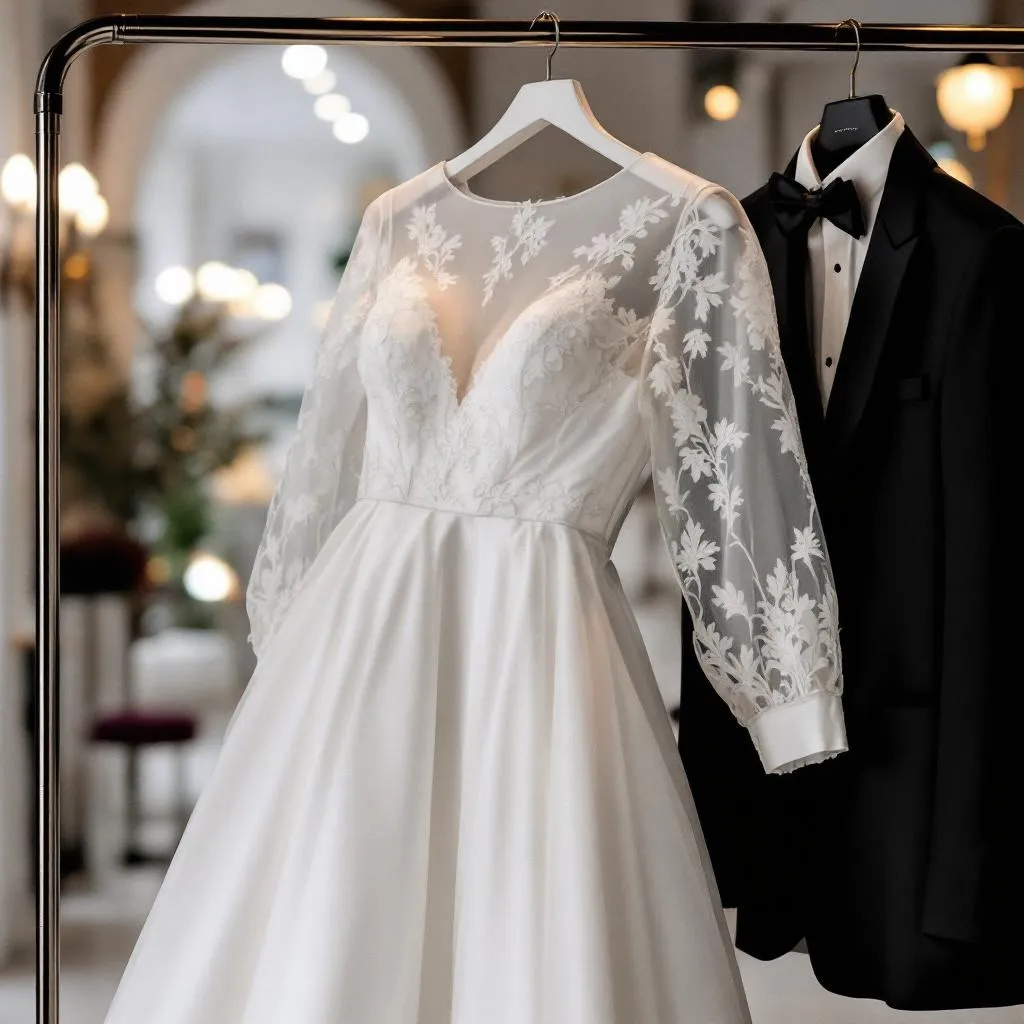
A wedding dress is unlike almost any other garment in a wardrobe. Intricate fabrics, delicate embellishments, multiple layers, structured sections, and sentimental value all make professional care particularly important. After a wedding celebration, even a dress that appears relatively clean can carry makeup, perspiration, food marks, dust, and dirt collected throughout the day. Premium Wedding Dress Cleaning in Central London provides specialist care designed to address these issues while respecting the construction and individual characteristics of the gown.
Cleaning a wedding dress requires more than placing it through a standard garment cleaning process. Every gown should be assessed individually so that its fabric, detailing, stains, and condition can determine the appropriate treatment.
Why Wedding Dresses Require Specialist Attention
Wedding gowns can combine several materials within a single garment. Silk, satin, lace, chiffon, organza, tulle, polyester, and specialist blends are frequently used alongside linings and structured internal sections.
Decorative features may include beads, sequins, embroidery, crystals, appliqué, pearls, and delicate stitching. These details can react differently to cleaning solutions, moisture, heat, and mechanical movement.
A process suitable for the main fabric may not necessarily be appropriate for its embellishments. This is why professional inspection is an essential first stage rather than treating every wedding dress in exactly the same way.
Hidden Marks After the Wedding Day
Some stains are immediately noticeable, particularly marks around the hem or visible food and drink spills. Others can be much harder to identify.
Wedding dresses commonly develop marks from:
- Makeup and foundation
- Perspiration
- Perfume
- Food
- Drinks
- Outdoor dirt
- Dust
- Body oils
- Fake tan
- Floor contact
Marks around the neckline, underarms, sleeves, and inside the dress may initially appear minor. However, some substances can oxidise over time and become more visible during storage.
Having the gown inspected after the wedding helps identify areas requiring attention before stains become increasingly difficult to address.
The Importance of Pre Cleaning Inspection
A detailed examination provides important information about the condition of the gown.
Specialists can check the care label, fabric composition, embellishments, seams, fastenings, hems, and decorative sections. Existing damage such as loose beads, weakened stitching, small tears, or missing decorations can also be identified.
The location and likely cause of stains should be considered before treatment begins. This allows cleaning methods to be selected according to the garment rather than relying on a universal process.
Particular attention is often required around the train and hem because these sections remain close to the floor throughout the celebration.
Treating Stains Individually
Wedding dress stains can vary significantly in composition. A makeup mark behaves differently from a grease stain, while mud requires a different approach from wine or sugary drinks.
Specialist stain treatment considers both the substance and the fabric beneath it. Excessive rubbing or aggressive cleaning products can damage fibres, alter colour, or disturb delicate decorative work.
Home remedies can be especially risky. Applying household detergents, bleach, or general stain removers without understanding the fabric may turn a manageable stain into permanent damage.
Professional assessment allows individual marks to receive suitable attention before the main cleaning stage.
Caring for Delicate Fabrics
Fabric type has a major influence on wedding dress cleaning.
Silk requires controlled treatment because excessive moisture or inappropriate chemicals may affect its texture and finish. Satin needs careful handling to maintain its smooth surface. Lace can be vulnerable to stretching or snagging, particularly when it contains fine decorative patterns.
Tulle and chiffon are lightweight and can require gentle handling throughout cleaning and finishing. Structured gowns may contain boning, padding, multiple linings, or internal support systems that must also retain their intended shape.
Understanding these differences is essential for protecting the gown throughout the process.
Embellishments Need Additional Care
Modern wedding dresses often feature elaborate decorative elements that contribute significantly to their appearance.
Beading, sequins, crystals, pearls, embroidery, and appliqué can sometimes be sensitive to solvents or heat. Adhesives used on certain decorative components may also react differently from stitched embellishments.
Before cleaning, decorative sections should therefore be assessed for stability. Loose elements may need additional consideration to reduce the risk of loss or damage during treatment.
This careful preparation becomes particularly important for heavily embellished designer gowns.
Cleaning the Hem and Train
The lower section of a wedding dress frequently experiences the greatest level of contamination.
Even an indoor wedding can leave the hem carrying dust, drink residue, food particles, and marks from flooring. Outdoor photographs and ceremonies can introduce grass, soil, mud, and other environmental dirt.
Because the train may contain several layers of fabric and decorative detailing, cleaning it requires patience. Stains need to be treated without causing uneven colouring between cleaned and surrounding sections.
A thorough inspection of every layer helps identify dirt that may not be visible when the dress is hanging normally.
Finishing After Cleaning
Cleaning is only part of professional wedding dress care. Finishing plays an equally important role in restoring presentation.
After treatment, the gown needs to be dried appropriately before being carefully steamed or pressed according to its fabric requirements. Pleats, lace sections, structured bodices, sleeves, and trains may all require different finishing techniques.
The objective is to restore a smooth and well presented appearance without exposing delicate materials to excessive heat.
Final inspection can then identify whether additional attention is required before the gown is prepared for collection or preservation.
Cleaning Before Long Term Storage
Many brides choose to keep their wedding dresses after the ceremony, either for sentimental reasons or with the possibility of passing them to another family member in the future.
Cleaning before storage is important because invisible residues can change over time. Perspiration, body oils, perfume, food, and sugary drinks may gradually create yellow or brown marks.
Storing a gown while these substances remain within the fibres can make later restoration considerably more difficult.
Professional cleaning before preservation helps ensure the garment enters storage in the cleanest practical condition.
Wedding Dress Preservation
Once cleaned, appropriate storage can help protect the gown from environmental factors.
Wedding dresses should generally be kept away from direct sunlight, excessive heat, moisture, and locations experiencing significant temperature changes. Long term storage in unsuitable plastic coverings may also restrict airflow or create unwanted conditions around the fabric.
Acid free tissue and suitable preservation boxes are commonly used to reduce unnecessary contact and support delicate sections. Folding methods should consider embellishments and structured areas so that excessive pressure is not placed on vulnerable details.
Periodic inspection can also help identify any changes during long term storage.
Vintage and Heirloom Wedding Dresses
Older wedding dresses can require an especially cautious approach. Fabrics may have weakened naturally with age, while previous storage conditions can affect colour, strength, and flexibility.
Vintage gowns may also feature materials or construction methods that differ from modern garments. Lace, decorative trims, internal structures, and stitching should therefore be carefully examined before cleaning begins.
In some cases, the objective may be gentle improvement rather than complete removal of every historic mark. Protecting the integrity of an older garment can be more important than pursuing aggressive stain removal.
When Should a Wedding Dress Be Cleaned?
Cleaning soon after the wedding is generally beneficial because stains have less time to settle or change chemically.
However, older dresses can still be assessed for professional treatment. The condition of the fabric, type of staining, previous cleaning history, and storage environment all influence what may be achievable.
Anyone planning to sell, preserve, reuse, or pass on a wedding dress may also consider specialist cleaning before doing so.
Protecting a Meaningful Garment
Choosing Premium Wedding Dress Cleaning in Central London is ultimately about giving an unusual and often valuable garment the level of care its construction requires. Specialist inspection, individual stain treatment, appropriate cleaning methods, controlled finishing, and suitable storage preparation all contribute to maintaining its condition.
A wedding dress may only be worn for a single day, but its significance can continue for decades. Appropriate professional care helps protect delicate fabrics, decorative details, and the memories associated with the gown, allowing it to remain an important part of a personal or family collection long after the celebration has ended.




+ There are no comments
Add yours