
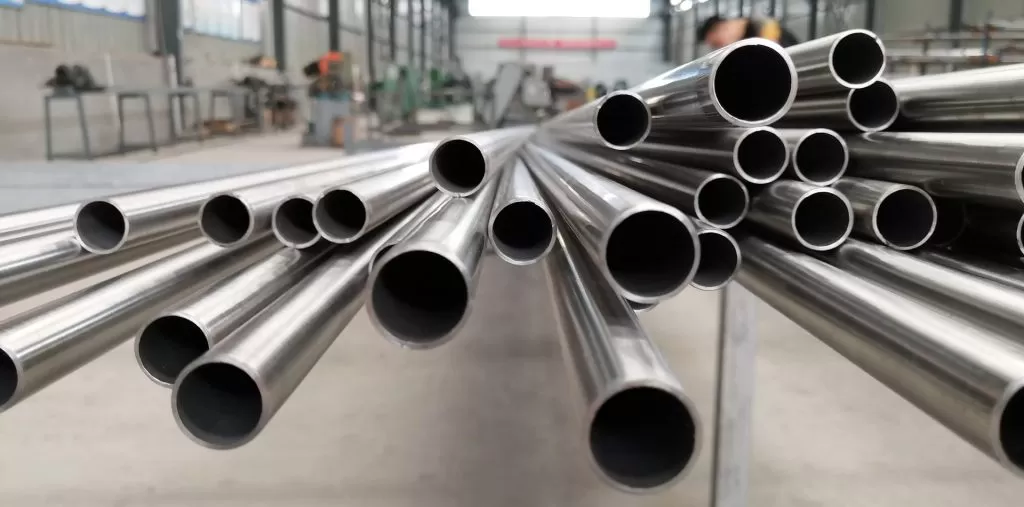
Engineers and project planners continue seeking materials that deliver genuine, measurable advantages for demanding industrial applications. Understanding these specific advantages helps buyers appreciate why certain materials continue commanding strong consideration despite higher costs. Exploring these benefits helps illustrate the practical value behind informed material selection decisions. Taking the time to compare available options carefully often leads to more satisfying results in the long run. Consistent attention over time tends to produce far better results than occasional, sporadic effort.
Why Understanding Material Advantages Supports Better Decisions
Material specifications can feel overwhelming without a clear understanding of how specific properties translate into real-world project benefits. Breaking down these advantages helps buyers connect technical specifications to practical, meaningful project outcomes. Understanding this connection helps project planners make more confident, informed material decisions. Recognizing this value supports more strategic material selection throughout project planning. Staying informed about industry standards helps property owners and businesses make more confident, educated decisions.
The Practical Advantages of Nickel Alloy Pipe
Understanding nickel alloy pipe reveals exceptional corrosion resistance, temperature tolerance, and mechanical strength suited to demanding industrial applications. These combined properties translate into fewer failures, reduced maintenance needs, and more predictable long-term operational costs. This material’s proven performance across challenging environments explains why it continues commanding strong engineering confidence. These practical advantages explain why this material remains a preferred choice for critical industrial projects.
How Corrosion Resistance Translates Into Real Project Value
Materials resistant to corrosion require less frequent replacement, directly reducing long-term maintenance costs and operational disruptions. This translates into more predictable budgeting and fewer unexpected system failures throughout a project’s operational lifespan. Understanding this practical value helps buyers appreciate why corrosion resistance often justifies higher upfront material costs. Recognizing this connection supports more strategic, value-focused material investment decisions. Planning ahead rather than reacting to problems after they arise consistently produces better overall outcomes.
Strength and Durability Under Sustained Operational Stress
Materials with strong mechanical properties maintain structural integrity even under sustained pressure and mechanical stress over extended operational periods. This durability supports more reliable system performance, reducing the risk of unexpected failures during critical operations. Understanding this advantage helps engineers appreciate why durability deserves consideration alongside corrosion resistance alone. This combined strength and durability significantly supports overall system reliability.
Applying These Advantages to Specific Project Decisions
Considering specific project requirements helps determine which material advantages matter most for a particular application and operating environment. Consulting with experienced engineers helps translate general material advantages into confident, project-specific selection decisions. Working with reputable suppliers ensures access to materials that genuinely deliver the advantages claimed in their specifications. This informed approach helps project planners make confident, well-justified material decisions. Small details, often overlooked at first glance, can make a meaningful difference in the final result.
Conclusion
Understanding specific material advantages helps engineers and project planners make more informed, confident sourcing decisions for demanding applications. These practical benefits translate directly into improved reliability and reduced long-term operational costs. With careful attention to these advantages, industrial projects can achieve genuinely reliable, long-lasting performance. Setting clear expectations from the outset helps avoid confusion or disappointment later in the process. Seeking recommendations from trusted sources can help narrow down choices and reduce uncertainty considerably.




+ There are no comments
Add yours