
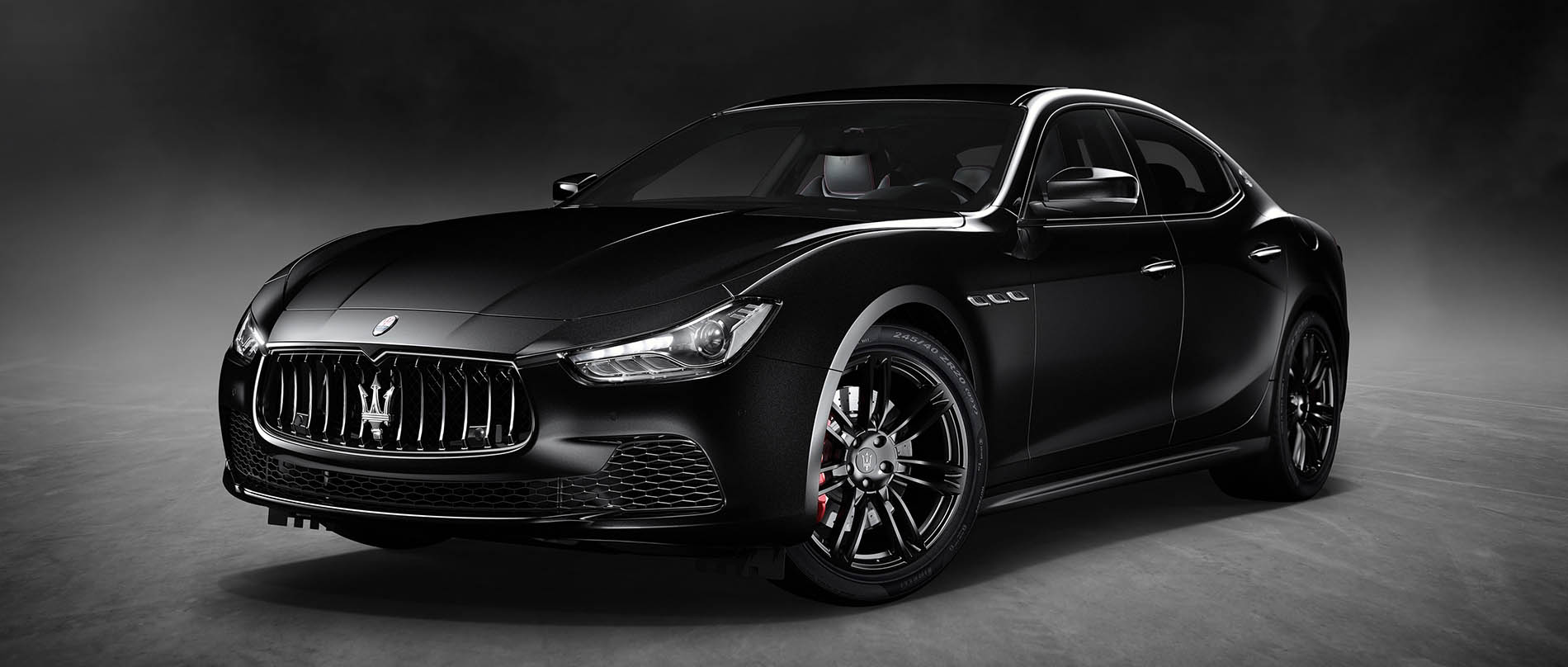
Maserati vehicles represent a distinctive combination of Italian design, powerful engineering and sophisticated automotive technology. Models such as the Ghibli, Levante, Quattroporte, Grecale and GranTurismo offer impressive performance alongside comfort and advanced driving systems. However, maintaining these characteristics requires attention when mechanical wear, electronic faults or unexpected problems develop. Professional Maserati Car Repairs Hertfordshire involves identifying the underlying cause of vehicle faults and restoring affected components through appropriate diagnostic and repair procedures.
Modern Maserati vehicles contain interconnected mechanical and electronic systems. Engine performance, transmission operation, braking, suspension and safety technology often depend on information shared between control modules. Understanding these relationships is essential when investigating problems that may initially appear straightforward.
Why Timely Maserati Repairs Matter
Small mechanical problems can gradually develop into more expensive failures when left unresolved.
A minor coolant leak may eventually cause overheating, while a worn suspension component can affect handling and tyre condition. Electrical faults may also influence several systems simultaneously.
Addressing problems early can help:
- Reduce secondary mechanical damage
- Maintain vehicle reliability
- Protect braking and handling performance
- Avoid unexpected breakdowns
- Preserve engine efficiency
- Reduce unnecessary component replacement
- Maintain long term vehicle condition
Prompt investigation is particularly important when dashboard warnings appear or driving behaviour changes noticeably.
Common Signs Your Maserati Needs Repairs
Not every developing fault produces an immediate warning light. Drivers should remain aware of unusual sounds, vibrations and changes in vehicle performance.
Common symptoms include:
- Engine warning lights
- Reduced acceleration
- Difficult starting
- Rough idling
- Unusual engine noises
- Fluid leaks
- Gearbox hesitation
- Steering vibration
- Suspension noises
- Reduced braking performance
- Electrical malfunctions
- Unexpected temperature increases
These symptoms can have several possible causes, making accurate diagnosis important before repairs begin.
Engine Repairs and Fault Finding
Maserati engines are designed to deliver responsive acceleration and refined power delivery. Their performance depends on effective lubrication, cooling, fuel management and electronic control.
Common engine related repair requirements may involve:
- Oil leaks
- Ignition components
- Fuel injectors
- Turbocharger faults
- Cooling components
- Engine sensors
- Intake systems
- Timing related components
The exact repair requirements depend on the engine fitted to the vehicle.
An illuminated engine warning light does not necessarily indicate major internal damage. A faulty sensor, wiring problem or supporting component may produce similar symptoms.
Investigating Engine Performance Problems
Reduced acceleration, rough running or increased fuel consumption should be investigated systematically.
Diagnostic testing can provide information about fuel pressure, airflow, ignition operation, temperature and other engine parameters.
Physical inspection remains equally important because electronic information alone may not reveal every mechanical problem.
Combining both approaches helps establish the underlying cause.
Cooling System Repairs
The cooling system protects the engine against excessive operating temperatures.
Components such as radiators, water pumps, thermostats, hoses and expansion tanks can deteriorate through age or use.
Potential warning signs include:
- Rising temperature readings
- Coolant warning messages
- Visible leaks
- Repeated coolant loss
- Unusual smells
- Reduced heating performance
Driving while an engine is overheating can cause extensive damage.
Cooling system faults should therefore be investigated promptly, with repairs addressing the cause rather than simply replacing lost coolant.
Brake System Repairs
Maserati vehicles require effective braking systems to manage their performance and weight.
Brake components experience gradual wear through normal driving, and replacement intervals vary according to driving conditions.
Common brake repairs include:
- Brake pad replacement
- Brake disc replacement
- Caliper repairs
- Brake hose replacement
- Brake fluid renewal
- ABS fault diagnosis
- Electronic parking brake repairs
Grinding noises, vibration or reduced stopping performance should never be ignored.
Brake inspections should also consider electronic systems that contribute to stability and vehicle control.
Suspension Repairs
Suspension condition influences comfort, road grip, handling and tyre wear.
Maserati vehicles may use conventional or electronically controlled suspension arrangements depending on the model.
Repairs can involve:
- Suspension arms
- Bushes
- Ball joints
- Dampers
- Springs
- Wheel bearings
- Electronic suspension components
Worn components may produce knocking noises, unstable handling or uneven tyre wear.
Electronic Suspension Problems
Some models feature adaptive suspension technology that adjusts damping characteristics according to driving conditions.
Faults may involve sensors, electrical connections, control modules or mechanical components.
Diagnostic testing helps identify electronic concerns, while physical inspection establishes whether components have suffered wear or damage.
Steering System Repairs
Accurate steering response is an important part of the Maserati driving experience.
Steering problems may become noticeable through unusual resistance, vibration, noises or changes in vehicle direction.
Possible repair requirements include steering joints, associated suspension components, electronic assistance systems or steering rack related faults.
Because several components can produce similar symptoms, inspection should determine the actual source before replacement.
Automatic Transmission Repairs
Modern Maserati vehicles use advanced transmissions designed to provide responsive and smooth gear changes.
Transmission problems can affect acceleration, driving comfort and overall reliability.
Warning signs may include:
- Delayed gear engagement
- Harsh shifting
- Unexpected gear changes
- Gearbox warning messages
- Hesitation under acceleration
- Unusual mechanical noises
Potential causes include electronic faults, fluid related problems, hydraulic components or internal mechanical wear.
A structured investigation helps distinguish between these possibilities.
Electrical Fault Diagnosis
Modern vehicles rely heavily on electronic systems to manage essential functions and convenience features.
Electrical faults can affect:
- Central locking
- Lighting
- Electric windows
- Infotainment
- Climate control
- Parking assistance
- Electronic seats
- Starting systems
- Dashboard displays
Diagnosis may involve checking voltage supplies, wiring continuity, earth connections, sensors and communication between electronic modules.
A weak battery can sometimes create multiple warning messages, so electrical supply checks are often an important starting point.
Battery and Charging Repairs
A reliable battery and charging system supports consistent operation across the vehicle.
Battery deterioration may cause difficult starting, intermittent faults or reduced functionality.
Technicians may examine battery health, alternator output, electrical connections and potential parasitic drains.
Replacing a battery without investigating the charging system may fail to resolve an underlying electrical problem.
Air Conditioning Repairs
Climate control systems contribute to cabin comfort throughout the year.
Reduced cooling performance can result from several faults, including refrigerant leaks, compressor problems, damaged condensers or electronic failures.
Repair procedures may involve:
- Refrigerant leak testing
- Compressor assessment
- Condenser inspection
- Pressure sensor testing
- Electrical diagnosis
- Replacement of damaged components
The underlying cause should be identified before refrigerant is added or components are replaced.
Diagnostic Testing Before Repairs
Professional diagnostics plays an important role in modern vehicle repairs.
Electronic control modules store information when systems detect abnormal operating conditions.
Diagnostic equipment allows technicians to retrieve this information and monitor relevant data.
However, fault codes should not be treated as automatic confirmation that a particular component has failed.
Effective diagnosis combines:
- Fault code analysis
- Live data monitoring
- Electrical testing
- Mechanical inspection
- Component testing
- Road testing where appropriate
This approach helps reduce unnecessary expenditure and repeated repair attempts.
Emissions System Repairs
Modern petrol and diesel engines incorporate emissions control technology designed to reduce harmful exhaust output.
Faults may involve oxygen sensors, exhaust temperature monitoring, particulate filters or other emissions related components.
Symptoms can include warning lights, reduced performance or increased fuel consumption.
Accurate diagnosis is necessary because emissions warnings can sometimes originate from problems elsewhere in the engine management system.
Repair Requirements Across Maserati Models
Different Maserati vehicles have different mechanical configurations and electronic systems.
Repair procedures may vary across:
- Maserati Ghibli
- Maserati Levante
- Maserati Quattroporte
- Maserati Grecale
- Maserati GranTurismo
- Maserati GranCabrio
Vehicle generation, engine specification, mileage and maintenance history should all influence the repair approach.
Electrified models introduce additional safety and technical requirements, particularly when work involves high voltage systems.
Importance of Quality Replacement Parts
Replacement components must be suitable for the individual vehicle.
Poor quality or incompatible parts may create further faults, reduce durability or affect the operation of connected systems.
Correct installation procedures are equally important.
Certain electronic components may require coding, calibration or adaptation following replacement.
Following appropriate manufacturer procedures helps ensure repaired systems operate as intended.
Preventative Maintenance and Repair Costs
Regular servicing cannot prevent every mechanical failure, but it can identify developing problems before they become serious.
Routine inspections should monitor:
- Engine oil condition
- Coolant levels
- Brake wear
- Suspension components
- Tyre condition
- Battery health
- Fluid leaks
- Electronic warnings
Maintaining service records also helps technicians understand previous work and identify recurring problems.
Maintaining Long Term Maserati Reliability
Maserati ownership involves maintaining a vehicle that combines strong performance with complex mechanical and electronic systems. Addressing faults promptly helps preserve safety, comfort and driving enjoyment.
Professional Maserati Car Repairs Hertfordshire provides a systematic approach to investigating engine, transmission, suspension, braking, electrical and cooling system problems.
By combining accurate fault finding, suitable replacement components and regular preventative maintenance, owners can reduce avoidable damage, manage long term repair costs and preserve the distinctive driving characteristics associated with Maserati vehicles.


+ There are no comments
Add yours