
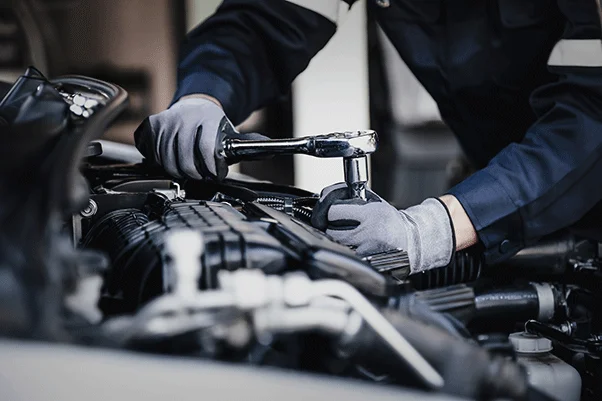
Mercedes-Benz vehicles represent a blend of technical innovation and dependable performance. Built with advanced systems and refined components, they are engineered for longevity but when faults appear, accurate repairs are critical. The complexity of modern models requires more than a routine check or general fix. For drivers searching for reliable Mercedes Benz Repairs Ruislip, the solution lies in specialist knowledge, tools, and experience designed around the brand’s unique demands.
A System Built on Software
While mechanical components still play a central role in any vehicle, Mercedes-Benz models are heavily reliant on electronic control systems. These systems manage everything from braking and fuel delivery to lighting, suspension, and climate control. When a problem arises, the first step is to assess the car through its software environment.
This requires diagnostic tools capable of reading system-specific codes, running module tests, and identifying the root cause of a fault. Without this level of access, there’s a risk of replacing the wrong part, missing key issues, or creating secondary faults through incorrect resets or module conflicts.
In many modern models, even the smallest component interacts with a broader digital system. Window regulators, fuel sensors, and headlamp controls are all managed through electronic units that require correct coding and communication.
Why Generic Repairs Often Fall Short
A general garage may offer standard repairs, but when working with Mercedes-Benz systems, this approach can introduce more issues than it solves. Using incompatible parts, incorrect fluids, or standardised diagnostic tools can lead to unresolved problems and wasted costs.
Some faults appear similar across vehicles but behave differently depending on the model and software version. For example, gear shifting hesitation in one model may be caused by transmission oil degradation, while in another it could result from a software glitch in the control module. Only model-specific insight combined with the right tools can make that distinction.
Furthermore, newer Mercedes-Benz models often require updates through SCN coding. If this step is missed during component replacement, the system may reject the part, operate incorrectly, or trigger ongoing dashboard alerts.
SCN Coding: A Repair Essential
Software Calibration Number (SCN) coding is used to configure a new module or control unit to the specific vehicle it’s installed in. This coding process ensures compatibility between software and hardware, allowing components to communicate with the rest of the car’s control systems.
Whether replacing a gearbox controller, airbag module, or steering component, proper SCN coding must be applied for safe and functional integration. It also ensures the car stays in line with the manufacturer’s technical standards, software updates, and system versions.
Failing to complete SCN coding can result in software mismatches, warning lights, or unexpected behaviour. That’s why any repair involving electronic parts must include the correct coding procedures, carried out with dealer-level access.
Common Repairs in Mercedes-Benz Vehicles
Mercedes-Benz vehicles are built to high specifications, but like any car, they are not immune to wear and age. Some of the most common repairs encountered include:
- Engine misfires and power loss
- Transmission faults or shifting issues
- Turbocharger underperformance
- Brake system malfunctions
- Suspension noise or imbalance
- Electrical glitches in lighting or infotainment
- Emissions system faults (EGR, DPF, NOx sensors)
- Injector or fuel system failure
- Battery drain or alternator problems
Each of these systems is interconnected, so identifying the correct cause is essential. For example, a loss in fuel efficiency might be caused by a failing sensor, clogged intake system, or timing issue but without a full-system diagnostic scan, it’s impossible to know which one.
Gearbox and Drivetrain Repairs
One of the more intricate repair areas in Mercedes-Benz models involves the transmission system. Whether it’s a 7G-Tronic, 9G-Tronic, or dual-clutch gearbox, performance is dependent on both fluid condition and electronic control.
Symptoms like delayed gear changes, slipping, or clunking may indicate fluid degradation, internal wear, or software imbalance. Diagnosis includes checking fluid quality, scanning gearbox control units, and testing mechanical response. If replacement parts are required, they must be matched to the specific version of the gearbox installed often with accompanying software configuration.
Resetting the adaptation values and applying SCN coding after a repair is also essential for proper gearbox function. Without these final steps, gear changes may feel rough, inconsistent, or unresponsive.
Hybrid and Electric Vehicle Repairs
Mercedes-Benz has expanded its line-up to include electric and hybrid vehicles under the EQ and plug-in hybrid ranges. These vehicles introduce high-voltage systems, regenerative braking, and energy management modules that differ significantly from traditional petrol or diesel platforms.
Repairing these systems requires insulated tools, specific procedures, and high-voltage training. Diagnostic tools must be capable of communicating with the electric drive control unit, checking battery health, monitoring inverter status, and reading regenerative braking faults.
Even tasks such as coolant system servicing take on new meaning, as electric vehicles often use multiple circuits to manage battery temperature and electronic module cooling. Overlooking a cooling fault could lead to serious drive unit failures or reduced range.
Hybrid systems also require periodic checks on the interplay between combustion engine and electric motor. Transition issues, charging inefficiencies, or performance warnings can often be traced back to sensor discrepancies or software sync issues not just hardware wear.
Emissions System Challenges
Modern emission systems are designed to meet strict environmental standards. Mercedes-Benz uses technologies such as diesel particulate filters (DPF), exhaust gas recirculation (EGR), and selective catalytic reduction (SCR) systems to achieve low emissions.
When any part of this system becomes clogged, fails, or loses sensor alignment, it can cause a variety of problems including reduced power, smoke, or dashboard warnings. Repairs may involve filter regeneration, sensor replacement, or injector recalibration.
In some cases, faults in the emissions system are the result of underlying engine issues such as overfuelling or oil consumption. Proper diagnosis is required to avoid repeatedly replacing components without resolving the core fault.
The Role of Preventative Maintenance
Many major repairs can be avoided through consistent servicing. Following the correct intervals for oil changes, fluid replacements, and component checks helps reduce wear and catch issues early. Mercedes-Benz models are particularly sensitive to service delays, especially in areas like gearbox performance and emissions.
Specialists use digital service history platforms to log maintenance accurately. This not only protects resale value but also ensures that future repairs or diagnostics can be traced with confidence. Scheduled servicing also includes comprehensive inspections that can highlight worn components or early-stage faults.
Suspension and Ride Quality Repairs
Ride comfort in a Mercedes-Benz depends on a well-balanced suspension system. Models with air suspension or active damping systems require additional calibration after component replacement. Leaks in air struts, compressor failure, or uneven ride height are common problems in higher mileage vehicles.
Repairs must be matched to the specific suspension type installed whether AIRMATIC, ABC, or conventional coil systems. Once repairs are complete, recalibration ensures the suspension levels remain balanced and responsive. Without proper calibration, handling may become unstable or uneven.
Long-Term Reliability Through Correct Repairs
A Mercedes-Benz vehicle can last well beyond typical mileage expectations when maintained correctly. Whether addressing a warning light, resolving a performance drop, or replacing a failed component, the goal is always the same: restore the vehicle to its intended condition without introducing new complications.
For drivers seeking dependable Mercedes Benz Repairs Ruislip, the answer lies in technical accuracy, experienced diagnostics, and a methodical repair approach. When the right systems are in place both mechanical and electronic the result is a safer, more consistent driving experience that honours the original design of the vehicle.




+ There are no comments
Add yours