
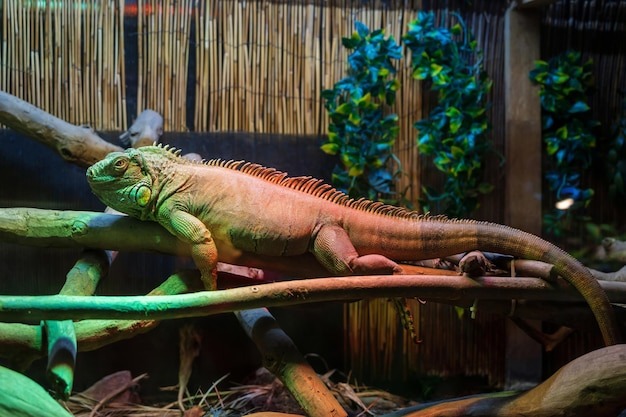
Iguanas can be a charming part of the natural ecosystem, but they can also cause significant damage when they invade residential and commercial properties. For homeowners and property managers facing iguana-related issues, understanding effective methods for iguana control and removal is essential. This blog explores various strategies that can be employed to manage and mitigate iguana populations effectively.
1. Physical Barriers
One of the most effective methods for iguana control is the installation of physical barriers. This may include fences specifically designed to prevent iguanas from entering your property. Fencing should be buried a few inches underground to thwart burrowing and should be tall enough to deter climbing.
Additionally, using netting around gardens and delicate landscaping can protect plants from iguana damage. Effective barriers can significantly reduce the likelihood of iguanas becoming a problem while maintaining the beauty of your outdoor space.
2. Habitat Modification
Habitat modification is another crucial strategy for iguana control. Iguanas are attracted to areas with ample food and shelter, so making changes to your landscaping can deter them. This includes removing or trimming plants that provide food sources, such as hibiscus and other flowering plants that iguanas love.
Regularly clearing debris, such as fallen fruits, leaves, and branches, can further minimize their appeal. The less attractive your property looks to iguanas, the more likely they are to seek a more hospitable environment elsewhere.
3. Trapping and Removal
In situations where iguanas have already established themselves, trapping and removal can be an effective iguana control method. Professional services often use humane traps to capture iguanas safely. These traps are designed to prevent injury to the animal while ensuring a quick and effective capture.
Once captured, iguanas can be relocated to appropriate areas where they do not pose a threat to properties. Implementing trapping as a method of iguana control requires knowledge of local regulations to ensure compliance with wildlife management laws.
4. Chemical Repellents
Chemical repellents can also be utilized for iguana control, although they should be used cautiously. These products are specifically formulated to deter iguanas from certain areas or plants. Look for repellents that are non-toxic and environmentally friendly to ensure the safety of pets and other wildlife.
Applying these repellents regularly, especially after rain, can enhance their effectiveness. While not a standalone solution, chemical repellents can be a useful complement to other methods of control.
5. Professional Iguana Control Services
When all else fails, or when the situation becomes unmanageable, hiring professional iguana control services is often the best decision. These experts are well-versed in the behaviors and habitats of iguanas, allowing them to provide tailored solutions.
A professional service will conduct an assessment of your property, recommend the best combination of control strategies, and implement those solutions effectively. Their expertise can save property owners time and effort, ensuring that iguana issues are resolved efficiently and humanely.
Conclusion
In conclusion, effective methods for iguana control and removal are essential for maintaining a secure and aesthetically pleasing property. By employing physical barriers, modifying habitats, utilizing trapping and removal methods, applying chemical repellents, and engaging professional services when necessary, homeowners can significantly reduce iguana populations and the associated damage.
Understanding these strategies is crucial for anyone dealing with iguana-related challenges, providing a pathway to a more harmonious living space.





+ There are no comments
Add yours