
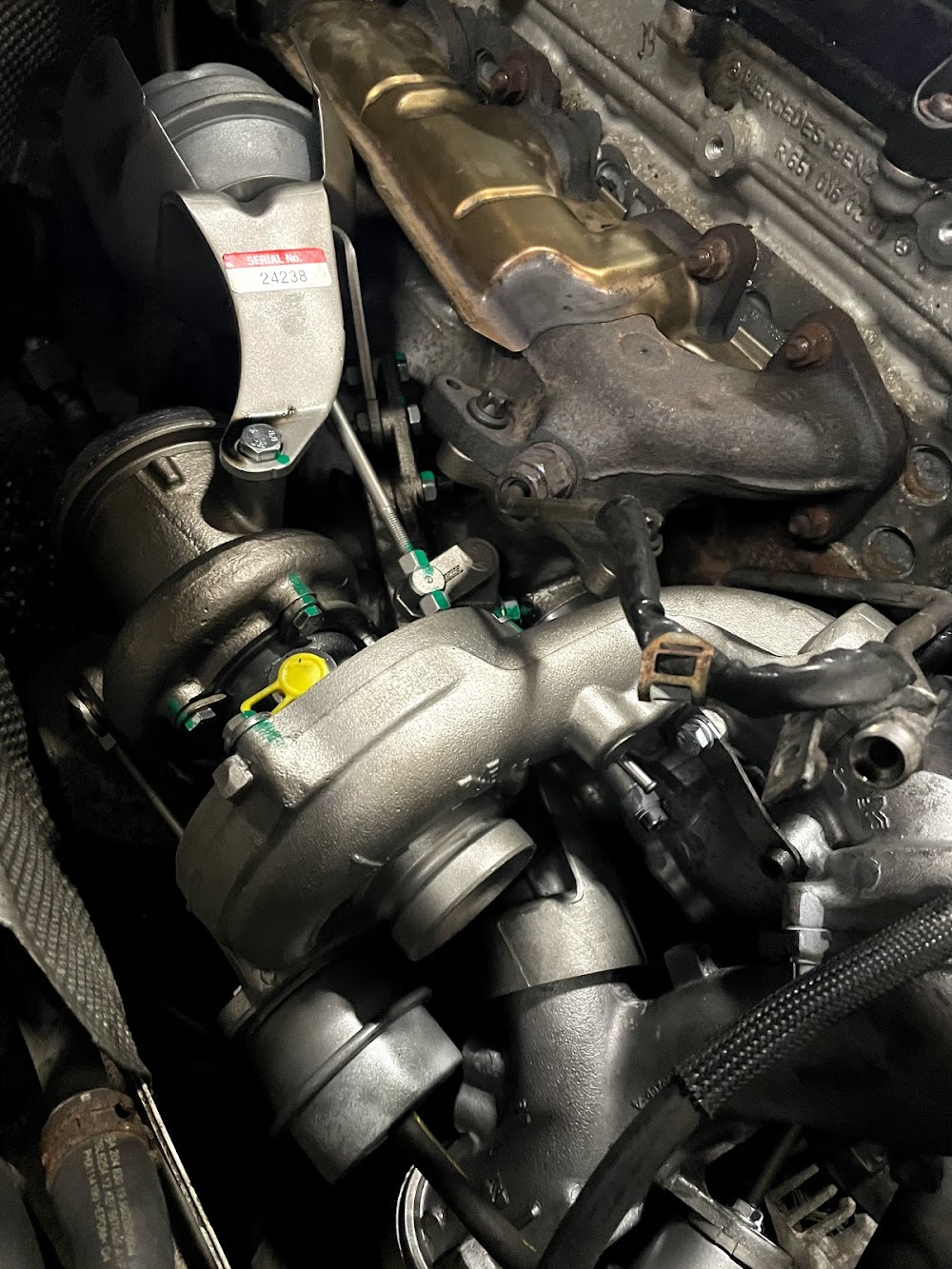
German cars are known for strong engineering, refined comfort, advanced technology and enjoyable road performance. From compact hatchbacks to executive saloons and family SUVs, brands such as BMW, Mercedes Benz, Audi, Volkswagen, Skoda and Seat are popular with drivers who want a vehicle that feels solid, responsive and dependable. However, these vehicles also need the right approach when servicing, diagnosing faults or carrying out repairs. Choosing the right specialist support can help owners receive more focused garage care than a general repair route.
Why German Cars Need Specialist Attention
Modern German vehicles are built around connected mechanical, electrical and digital systems. A warning light, rough idle, weak acceleration or braking concern may not always have one simple cause. The issue may involve sensors, wiring, software controlled components, emissions systems, fuel delivery, turbo parts, suspension or transmission behaviour. This is why proper inspection matters. Replacing parts without understanding the real fault can waste time and money, while a structured diagnostic approach helps identify the actual concern before repair work begins.
The Role of Routine Servicing
Routine servicing is one of the most important ways to protect a German vehicle. Oil condition, filters, brake components, tyres, suspension, coolant, belts, fluids and electronic checks all play a part in keeping the car safe and reliable. Skipping service intervals can lead to poor fuel economy, reduced performance and early wear on important components. For drivers who use their car daily, regular maintenance is not only about meeting a service schedule. It is also about preventing small issues from becoming expensive repairs later.
Why Accurate Diagnostics Matter
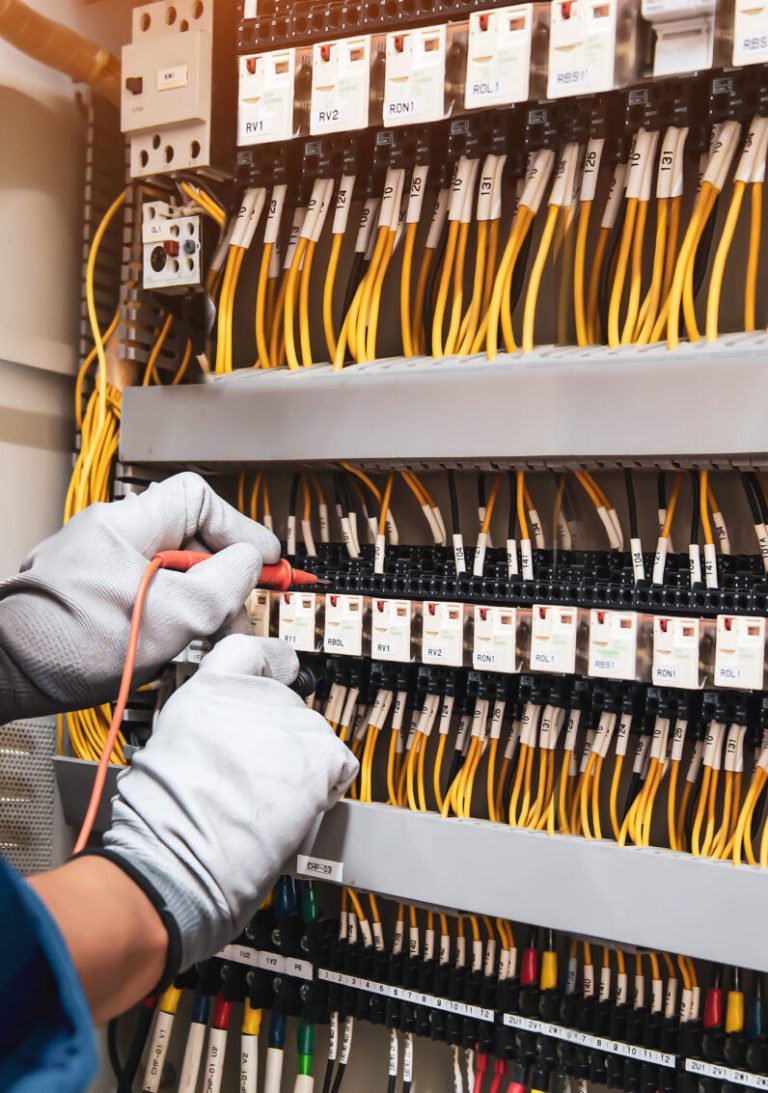
Diagnostics are especially important for German cars because dashboard warnings often connect to several systems at once. An engine management light may relate to air flow, emissions, ignition, fuel pressure or sensor readings. A braking warning may involve pads, fluid, ABS components or electronic stability systems. Electrical faults can affect comfort features, starting performance, lighting or battery health. A specialist garage will normally combine diagnostic equipment with physical inspection, because fault codes alone do not always tell the full story.
Service Requirements Can Vary by Model
Many German vehicles also have particular service requirements depending on the engine, model and age. Some may need timing belt or cam belt attention at certain mileage or time intervals. Others may have chain driven systems, wet belt concerns, turbo related maintenance or emissions components that need careful checks. Understanding the vehicle history is also important. A car with incomplete records may need a more detailed inspection to confirm what has been done and what still needs attention.
Brakes and Suspension Checks
Brakes and suspension are another key area. German cars often provide confident handling, but worn suspension arms, bushes, shock absorbers, springs, pads or discs can change the way the vehicle feels on the road. A knocking sound, vibration under braking, pulling to one side or uneven tyre wear should not be ignored. These symptoms can affect comfort, safety and long term running costs. Early checks can help identify the issue before additional components are damaged.
Engine Repair Should Start with Proper Inspection
Engine repairs should always begin with a careful review of symptoms. Misfires, overheating, oil leaks, smoke, unusual noises, poor starting and loss of power can all point to different problems. Some may be minor, while others may indicate deeper mechanical trouble. A good repair process starts with questions about when the fault happens, how often it appears and whether the dashboard has shown any alerts. This helps guide the inspection and reduces the risk of unnecessary work.
Air Conditioning Is More Than Comfort
Air conditioning is sometimes seen as a comfort feature only, but it also supports visibility and cabin safety. A working system helps reduce window misting and keeps the interior comfortable during warmer months. Weak airflow, warm air, unpleasant smells or noise from the system can suggest leaks, low gas, blocked filters, compressor issues or other faults. Regular checks can keep the system operating properly throughout the year.
MOT Preparation and Repairs
MOT preparation is another reason drivers look for focused garage support. Although the MOT is a legal test rather than a full mechanical health check, it covers important safety and emissions areas. Lights, tyres, brakes, suspension, wipers, exhaust condition and emissions performance can all affect the result. A pre MOT inspection can help drivers deal with obvious issues before the test, while post MOT repairs should be handled clearly and fairly.
Clear Communication Builds Confidence
A reliable German car garage should also communicate well. Many drivers feel uncertain when technical language is used without explanation. Clear advice makes a real difference. Vehicle owners should understand what has been found, whether the issue is urgent, what work is recommended and why it matters. Good communication helps customers make informed decisions and reduces confusion around repairs, servicing and diagnostic findings.
The Value of Local Garage Support
Local convenience is also valuable. Hertford drivers need garages that can support commuting, school runs, weekend travel and business use without making the process difficult. A local specialist can be useful for regular servicing, urgent checks and ongoing maintenance planning. This is particularly helpful for drivers who intend to keep their vehicle for several years and want to manage wear, reliability and repair costs sensibly.
Fair Pricing and Practical Repairs
Cost is another important factor. Main dealer servicing can be expensive, but the cheapest repair option is not always the most sensible. German vehicles benefit from the right parts, proper checks and technicians who understand their systems. Fair pricing should mean paying for necessary work, not guesswork or repeated visits for the same fault. A balanced approach can offer good value while still protecting the vehicle.
Warning Signs Drivers Should Not Ignore
Owners should also pay attention to early warning signs. Dashboard lights, changes in steering feel, brake noise, engine hesitation, unusual smells, fluid leaks and vibration can all point to developing faults. Waiting too long can increase the chance of extra damage. Booking an inspection early often gives the driver more options and can reduce repair complexity.
Maintenance Records Help Long Term Care
Another useful habit is keeping a simple record of maintenance, repairs and advisories. Service invoices, MOT notes, tyre changes and diagnostic findings can help technicians see patterns over time. For example, repeated battery warnings, recurring emissions faults or uneven tyre wear may suggest an underlying issue rather than a one off problem. Good records also help future buyers understand how the vehicle has been cared for, which can support resale value and buyer confidence.
Seasonal Vehicle Checks
Seasonal checks are worth considering as well. Cold weather can expose weak batteries, worn tyres and poor heating performance, while warmer months can place extra demand on cooling and air conditioning systems. Long journeys, stop start traffic and short urban trips can each affect a vehicle differently. A sensible maintenance plan looks at how the car is used, not only its age or mileage. This helps drivers plan repairs before small concerns interrupt daily travel safely too.
Choosing the Right Garage
When choosing a garage, drivers should look for practical signs of reliability. These include experience with German brands, a clear explanation process, suitable diagnostic equipment, transparent estimates and willingness to discuss findings before starting work. Reviews can also help show how a garage treats customers, especially around communication, pricing and problem solving.
Modern German Vehicles Are Becoming More Advanced
The growing complexity of German cars means specialist knowledge will continue to matter. Hybrid systems, driver assistance features, electronic modules and software based controls are now common across many models. Even routine service work can involve electronic checks, system resets and model specific procedures. As vehicles become more advanced, the value of informed inspection and repair becomes even greater.
Final Thoughts
For drivers searching for German Car Specialist Hertford, the main goal should be finding garage support that combines brand knowledge, honest advice and practical vehicle care. Whether the vehicle needs servicing, diagnostics, MOT related work, brakes, engine support, air conditioning checks or general repairs, the right approach can protect safety, performance and long term reliability. German cars are rewarding to own, but they need proper attention from people who understand how these vehicles are built and how their systems work together on UK roads.



+ There are no comments
Add yours