
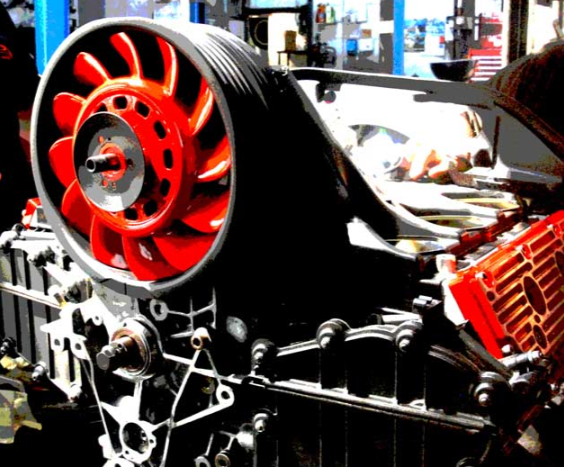
Porsche engines are built to deliver strong performance, sharp response, and long term driving enjoyment. From flat six sports cars to turbocharged SUVs and advanced hybrid models, the engine sits at the centre of the Porsche experience. When an engine develops a fault, even a small issue can affect performance, reliability, efficiency, and driver confidence. This is why accurate diagnosis and careful repair are essential.
Drivers searching for Porsche Engine Repair Hoddesdon are often dealing with symptoms such as warning lights, oil leaks, overheating, rough running, smoke, unusual noises, or reduced power. These symptoms should not be ignored. Porsche engines are advanced systems, and one fault can quickly place stress on related components if left unresolved.
The first stage of proper engine repair is diagnosis. Modern Porsche engines rely on sensors, control modules, ignition systems, fuel delivery, cooling circuits, turbo systems, and software management. A simple dashboard warning light may have several possible causes. Fault codes can provide direction, but they must be interpreted alongside live data, physical inspection, service history, and the symptoms reported by the driver.
Common Porsche engine issues can vary by model and engine type. Some vehicles may experience oil leaks from seals, gaskets, or oil separator systems. Others may suffer from cooling system faults, ignition coil failures, misfires, timing related concerns, intake issues, or turbocharger problems. High mileage vehicles may also show wear in mounts, hoses, sensors, and ancillary components.
Oil leaks are among the most common concerns found on many performance vehicles. Because Porsche engines can operate under high heat and pressure, seals and gaskets naturally age over time. A small oil leak may not appear urgent at first, but it can worsen, contaminate other components, or reduce lubrication if ignored. Early inspection helps identify the source before wider damage occurs.
Cooling system health is equally important. Porsche engines depend on stable temperature control to perform reliably. Water pumps, thermostats, radiators, coolant pipes, expansion tanks, sensors, and hoses all contribute to temperature regulation. Overheating can cause serious engine damage, so coolant loss, temperature warnings, or fan related issues should be investigated quickly.
Misfires are another common reason for engine repair. A misfire may be caused by ignition coils, spark plugs, injectors, air leaks, fuel pressure problems, or compression issues. The driver may notice rough idle, hesitation, loss of power, increased fuel use, or a flashing warning light. Repeated misfires can damage catalytic converters, so prompt diagnosis is important.
Turbocharged Porsche models require additional attention. Turbochargers work under extreme heat and speed. Problems may appear as loss of boost, smoke, whining noises, oil consumption, or poor acceleration. Causes can include boost leaks, worn turbo seals, actuator problems, oil supply restrictions, or intercooler faults. Repair should identify the reason for the failure rather than replacing parts without understanding the root cause.
Engine breathing and intake systems also affect performance. Air leaks, carbon build up, blocked filters, or faulty sensors can reduce efficiency and throttle response. In some direct injection engines, intake deposits may affect airflow and running quality. Cleaning, testing, and correct component replacement may be needed depending on the issue.
Timing related faults must be taken seriously. Timing chains, guides, tensioners, and related components control the movement between the crankshaft and camshafts. If timing becomes inaccurate, the engine may run poorly or suffer serious internal damage. Symptoms may include rattling noises, poor starting, fault codes, or rough performance.
Fuel system faults can also affect Porsche engines. Injectors, fuel pumps, pressure sensors, and control systems must deliver the correct amount of fuel at the right time. Poor fuel delivery may cause hesitation, misfires, reduced performance, or starting problems. Because fuel system issues can resemble ignition or air intake faults, diagnosis must be structured.
Hybrid Porsche models add another layer of complexity. Vehicles such as hybrid Cayenne and Panamera models combine combustion engines with electric drive systems. Engine repair may involve interaction between petrol components, high voltage systems, cooling management, and software control. Safety procedures and system knowledge are essential when working near hybrid components.
Engine mounts are often overlooked but can affect the feel of the vehicle. Worn mounts may cause vibration, knocking, or movement during acceleration. In a performance vehicle, engine stability contributes to smooth power delivery and overall refinement.
Exhaust and emissions systems also influence engine operation. Faults involving oxygen sensors, catalytic converters, particulate filters, EGR systems, or exhaust leaks can trigger warning lights and affect performance. Modern Porsche vehicles monitor emissions closely, so small issues can result in stored faults.
A proper repair process should include confirmation of the symptom, diagnostic scanning, visual inspection, testing of affected systems, and clear identification of the failed component. Replacing parts without testing can become expensive and may not solve the original problem. Accurate fault tracing is especially important for Porsche vehicles because many systems are connected.
Preventative maintenance reduces the need for major engine repair. Regular oil changes, correct fluids, cooling system checks, spark plug replacement, filter changes, and early attention to warning lights all protect the engine. Vehicles that are driven hard, used occasionally, or kept for long periods without use may need more frequent checks.
Driving behaviour also matters. Short journeys can increase condensation and oil contamination. High speed driving places more demand on cooling, lubrication, and turbo systems. Long periods of inactivity may affect batteries, seals, and fuel quality. A repair assessment should consider how the vehicle is actually used.
For owners looking into Porsche Engine Repair Hoddesdon, the key is to address symptoms early. Warning lights, unusual sounds, smoke, vibration, overheating, or reduced power are signs that the engine needs attention. Even if the vehicle remains driveable, continued use may increase the risk of further damage.
The quality of repair parts also matters. Porsche engines should be repaired using suitable parts, correct fluids, and proper procedures. Poor quality components can create repeat problems or affect performance. Documentation of repair work is valuable as part of the vehicle’s long term service history.
A well repaired Porsche engine should feel smooth, responsive, and stable under different driving conditions. Idle quality should be consistent, acceleration should feel strong, and warning lights should not return. The goal of repair is not only to remove a fault code, but to restore confidence in the vehicle.
In conclusion, Porsche engine repair requires knowledge, patience, and accurate diagnosis. These engines are advanced, performance focused systems where small faults can have wider consequences. From oil leaks and misfires to turbo faults, cooling problems, timing concerns, and hybrid system interactions, the repair process must be handled carefully. Addressing problems early helps protect performance, reliability, and the driving enjoyment Porsche owners expect.



+ There are no comments
Add yours