
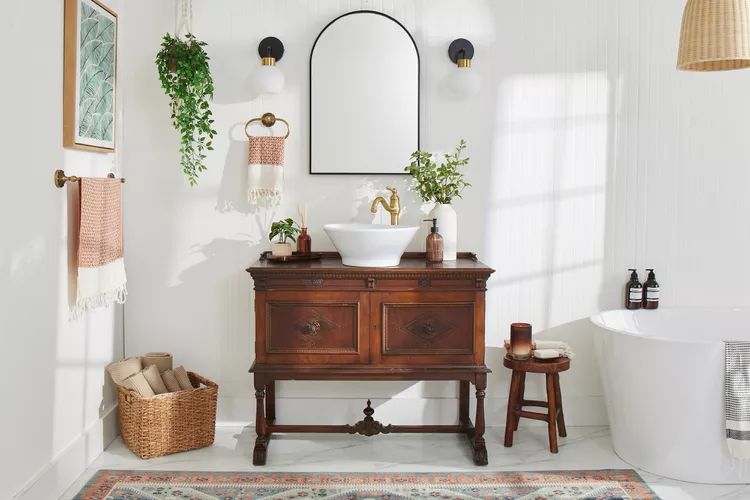
A bad bathroom can drain your mood before the day even starts. You walk in half-awake, reach for a towel, knock over three bottles, and suddenly the room feels smaller than it really is. That is why Bathroom Furniture at Bathrooms & More Store matters more than people admit. It is not just about filling empty corners with cabinets and calling it design. It is about giving the room some discipline, so your mornings stop feeling chaotic.
Most people treat bathroom furniture as an afterthought, then wonder why the space still feels messy even after a full clean. The truth is simple. A smart vanity, a slim tall unit, or a wall-mounted cabinet can change how the whole room works. Storage affects movement. Shape affects comfort. Finish affects mood. Good choices do not shout. They quietly make the room easier to use every single day.
You do not need a giant master suite to get this right. Small bathrooms often benefit the most from sharp furniture choices because every inch has to earn its place. The room should feel calm, useful, and a little more polished than expected. That is the target. Not showroom perfection. Real-life function with real style.
Start with the Way You Actually Use the Room
Most bathroom mistakes begin with fantasy. People buy for a dream version of their life, not the one they are living now. They choose a vanity that looks beautiful online, then discover the drawers barely hold skincare, spare soap, and the hairdryer that somehow always needs a home. Looks matter, yes, but daily use should get the first vote.
Your bathroom has a rhythm. You move from sink to mirror, from shower to towel rail, from cabinet to doorway without thinking. Furniture has to respect that rhythm or it starts to irritate you. A unit that blocks movement by even a few inches can make the room feel clumsy. It is amazing how quickly that gets old.
A family bathroom needs different furniture from an en suite. That sounds obvious, yet people still shop as if every room has the same job. A shared bathroom often needs divided storage, quick-clean surfaces, and a stronger focus on durability. A guest bathroom can be lighter and more decorative because it does not carry the same daily load.
The smartest approach is brutally honest. Count what needs storing. Notice what stays on the counter. Look at what gets wet, what gets used twice a day, and what gets ignored for weeks. Then buy around those habits. Not trends. Not mood boards. Your room will work better because it was designed around your life, not someone else’s.
Size and Shape Decide More Than Style Ever Will
People fall for finish before form, and that is where the trouble starts. You can love a wide vanity in walnut oak, but if your knees hit the bath every time you open the drawer, the romance dies fast. Proportion decides whether a bathroom feels sharp or cramped. Furniture should fit the room like it belongs there.
Wall-hung units often save smaller bathrooms because they free up floor space and make cleaning easier. That visible gap underneath helps the room breathe. On the other hand, floor-standing pieces can bring a stronger visual anchor, which works well in larger spaces that need a bit more weight and structure. Neither is better by default. Context wins.
Depth matters just as much as width. A slim cabinet can solve storage problems without eating the room alive. This is especially useful in narrow layouts where every extra inch turns movement into a sidestep. Tall units also work hard in compact bathrooms because they build upward instead of outward. Vertical storage is often the quiet hero.
This is where Bathroom Furniture stops being decoration and starts becoming planning. A well-sized mirror cabinet above the basin, a vanity that opens fully, and a side unit that does not crowd the toilet can transform the whole feel of the room. Good sizing looks effortless. It never is. Someone made careful choices to create that ease.
Materials Matter Because Bathrooms Are Hard on Everything
Bathrooms are humid, splash-prone, and rougher on surfaces than many people realize. A unit can look flawless on day one and tired by month six if the material cannot handle steam, cleaning products, and constant handling. That is why smart buyers pay attention to construction, not just colour and shape.
Moisture-resistant finishes deserve respect. Painted MDF with proper sealing, quality laminates, and well-made wrapped doors can perform brilliantly when built well. Cheap versions, though, tend to swell, peel, or lose their edge once daily humidity starts doing its work. The difference between decent and flimsy becomes obvious very quickly. Sometimes painfully quickly.
Worktops need the same scrutiny. Ceramic tops are easy to clean and hard to offend, which makes them a solid choice for busy homes. Stone looks fantastic, but it asks for more care and a bit more patience. Wood-effect finishes can warm up a cold bathroom, though they need the right pairing or the room starts feeling staged.
Hardware is the detail many people ignore until it annoys them. Soft-close drawers, sturdy runners, and solid handles do not feel glamorous in the showroom. They feel glorious after a year of daily use. A drawer that glides well every morning earns more love than a fancy finish that photographs nicely. Function keeps the affection alive.
Storage Should Hide the Mess Without Killing the Look
A tidy bathroom does not happen because people suddenly become disciplined. It happens because the room makes tidiness easy. When storage feels awkward, the counter fills up fast with toothpaste, razors, serums, spare rolls, and random bits that seem harmless until the room starts looking stressed. Furniture should remove that friction.
Closed storage does heavy lifting because it keeps visual noise under control. Even attractive products create clutter when they gather in groups. A vanity with deep drawers beats a basic cupboard in many homes because drawers bring everything forward instead of forcing you to dig at the back like an archaeologist searching for cotton pads.
Open shelving has its place, but only when used with restraint. One stack of fresh towels or a small tray of daily essentials can look considered. Six bottles, two candles, and a decorative basket full of things nobody uses just turns into staged chaos. Bathrooms need breathing room. Too much display weakens the sense of calm.
A good layout mixes hidden storage with one or two visible moments. That balance keeps the room practical without making it feel boxed in. When people talk about a bathroom feeling expensive, this is often part of what they mean. Not gold taps. Control. The room knows what to show and what to keep out of sight.
Style Works Best When It Serves the Room, Not Your Ego
The best-looking bathrooms do not try too hard. They make one or two clear style decisions, then let the furniture support the rest. That might mean soft curves with warm finishes for a calmer look, or crisp lines and matte surfaces for something cleaner and more architectural. Either way, restraint usually ages better than showing off.
Matching everything exactly can flatten a room. A little contrast often brings it to life. Pairing a dark vanity with lighter wall tiles, or a pale unit with black hardware, creates shape and interest without turning the space into a design argument. Bathrooms benefit from tension, but only the right amount.
Lighting also changes how furniture reads. A glossy unit under harsh lighting can look colder than expected. A textured finish under warm light can suddenly feel richer and more inviting. That is why samples matter. What looks perfect on a product page may land very differently once it sits next to your tile, paint, and mirror.
This is where Bathroom Furniture at Bathrooms & More Store earns real attention. You are not just picking a unit. You are deciding how the room should feel every morning and every night. My view is simple: choose furniture that makes the space calmer, easier, and better-looking without begging for praise. Quiet confidence beats flashy regret every time.
The Right Choice Pays You Back Every Single Day
Bathroom upgrades often get judged by first impressions, but the smarter test comes later. How does the room feel on a rushed weekday morning? Can you wipe it down quickly? Does everything have a place? Does the layout still make sense when real life gets messy? Those questions matter more than a dramatic reveal photo.
A well-furnished bathroom saves time in small ways that add up. You spend less time hunting for items, less time cleaning around awkward shapes, and less time feeling annoyed by clutter that keeps returning. The room starts working with you instead of against you. That shift is subtle, but it changes daily life.
This is why I do not see bathroom furniture as a finishing touch. I see it as the framework holding the room together. Tiles and taps catch attention first, but storage, scale, and practicality decide whether the room succeeds long term. A pretty bathroom that frustrates you is still a bad bathroom. Harsh, but true.
If you want the space to look better and behave better, start choosing with more intention. Measure properly. Think about habits. Buy for real use, not fantasy use. Then invest in pieces that will still feel right months from now. Bathroom Furniture at Bathrooms & More Store gives you a strong starting point, but the next step is yours. Build a bathroom that earns its keep.
What is the best type of bathroom furniture for a small bathroom?
Wall-hung vanities, mirrored cabinets, and tall slim units usually work best in small bathrooms because they save floor space and keep storage vertical. You want furniture that reduces clutter without crowding movement. Tight rooms need pieces that feel light, useful, and easy to clean.
How do I choose bathroom furniture that matches my style?
Start with the mood you want, then match finishes, handles, and shapes to that direction. Soft curves feel relaxed, while square lines feel sharper. Do not overmatch everything. A bathroom looks better when the furniture supports the style instead of shouting over it.
Is wall-mounted bathroom furniture better than floor-standing units?
Wall-mounted units suit smaller bathrooms because they open the floor and make cleaning easier. Floor-standing pieces can feel sturdier and work well in larger rooms. Neither option wins every time. The right choice depends on room size, storage needs, and the visual weight you want.
What material lasts longest in bathroom furniture?
Moisture-resistant MDF, quality laminates, and properly sealed finishes tend to last well in bathrooms when made to a good standard. Cheap construction fails faster than the material itself. Focus on build quality, hardware strength, and edge protection if you want furniture that keeps its shape.
How much storage should bathroom furniture really provide?
Your bathroom should hold daily essentials, backups, towels, and cleaning basics without forcing items onto the counter. That does not mean buying oversized units. It means buying smarter ones. Deep drawers, mirrored cabinets, and tall storage can create enough space without making the room feel heavy.
Can bathroom furniture make a bathroom look bigger?
Yes, when you choose the right shape and scale. Wall-hung units, lighter finishes, mirrored cabinets, and slimmer depths help bathrooms feel more open. Good furniture improves sightlines and cuts visual clutter. That creates a room that feels calmer, cleaner, and a little larger.
Should bathroom furniture match the vanity and mirror exactly?
Exact matching can work, but it often feels flat when every element looks copied and pasted. A better result usually comes from coordination rather than sameness. Let finishes, shapes, or hardware relate to each other while still giving the room enough contrast to feel alive.
What is better for bathroom storage, drawers or cupboards?
Drawers usually win because they bring items forward and make access easier. Cupboards still work, especially for taller products or plumbing-heavy layouts. The strongest setup often combines both. You want storage that fits what you actually use, not storage that only looks neat empty.
How do I keep bathroom furniture looking new for longer?
Wipe splashes quickly, avoid harsh cleaners, and keep ventilation strong after showers. Moisture does the real damage over time. Check hinges and runners occasionally so small problems do not grow. Bathrooms stay fresher when you treat furniture like working equipment, not untouchable decor.
Is it worth buying premium bathroom furniture instead of budget options?
It often is, especially if the bathroom gets heavy daily use. Better furniture tends to have stronger runners, cleaner finishes, and materials that cope with humidity more reliably. Budget pieces can look good briefly. Premium pieces usually save you frustration, repairs, and replacement costs later.
What colour bathroom furniture works best for modern homes?
That depends on the room, but soft neutrals, warm wood tones, charcoal shades, and muted greens tend to age well. Modern bathrooms benefit from colours with depth rather than gimmicks. Pick a finish that complements light, tile, and hardware instead of chasing whatever feels trendy.
Where should I start when buying Bathroom Furniture?
Start with measurements, storage needs, and a realistic look at how you use the room every day. Then compare size, material, and layout before style details. Bathroom Furniture should make your life easier first. Once function is right, the design part becomes much simpler.



+ There are no comments
Add yours